



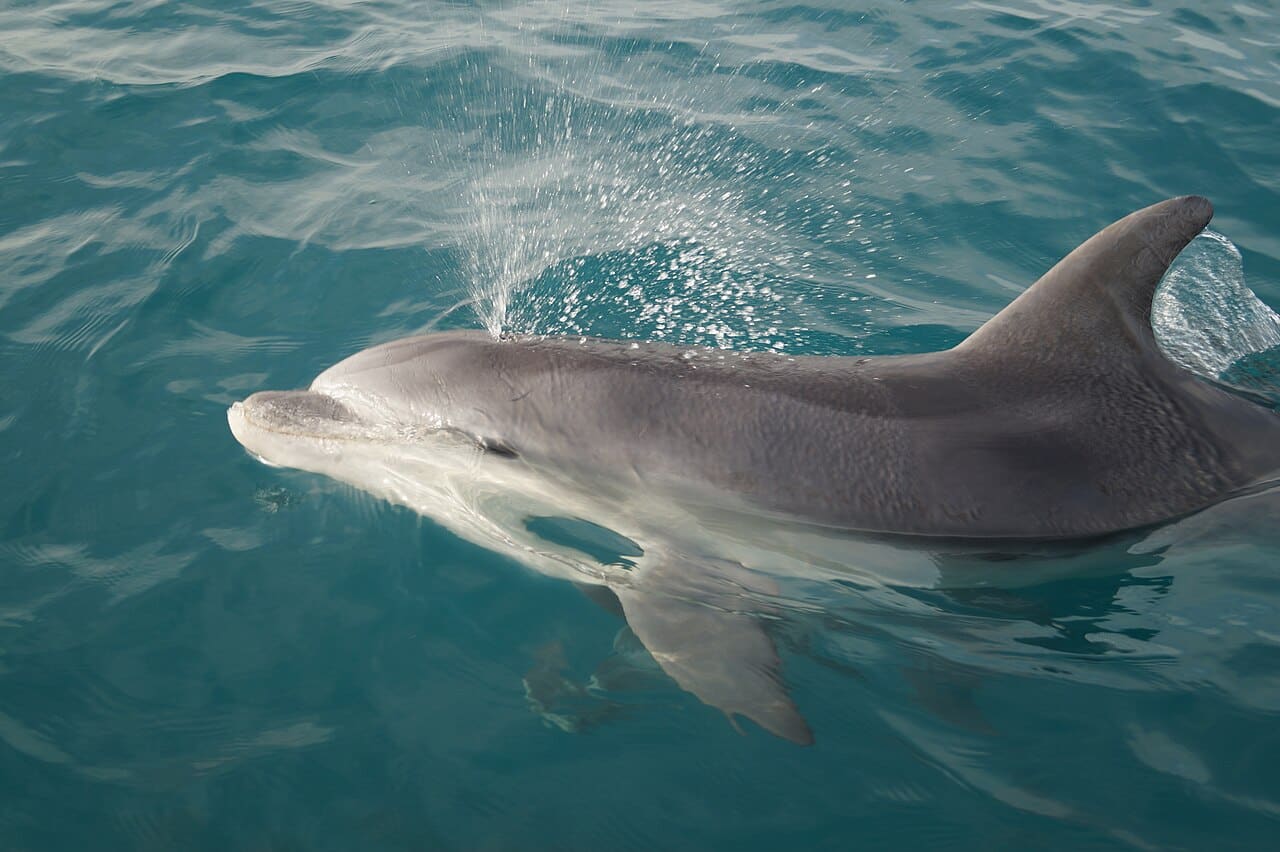
One of Taranto’s founding legends begins with a dolphin carrying a shipwrecked Greek hero to safety. More than two millennia later, the port on Italy’s Ionian coast is preparing to host what organizers describe as Europe’s first sea sanctuary. It would care for dolphins that cannot return to the wild.
One version of the legend identifies the hero as Taras, a son of Poseidon, the Greek god of the sea, and the local spring nymph Satyria. After he was shipwrecked, a dolphin carried him ashore. Tradition says Taras then founded the settlement that bore his name.
The myth is not the same as recorded history. The National Archaeological Museum of Taranto places the colony’s traditional founding in 706 B.C., when Spartans led by Phalanthus established their only colony in Magna Graecia. The colony took the name Taras from a nearby river and the legendary hero.
From ancient coins to a new dolphin refuge in Taranto
The Greek traveler and geographer Pausanias gives that rescue to Phalanthus instead, saying a dolphin carried him to safety after a shipwreck. Archaeological evidence broadly supports that late eighth-century date.

What endured was the image of a man riding a dolphin. Silver coins minted by ancient Taras carried that design, although museum curators say the rider may represent either Taras or Phalanthus.
Taranto’s modern crest shows a sea figure holding a trident while riding a dolphin, with the name Taras above him. The city says the emblem recalls its mythical founder and its bond with the sea.

The San Paolo Dolphin Refuge gives that ancient dolphin image a modern counterpart. The Puglia regional government authorized the center Aug. 4 and named Jonian Dolphin Conservation as its operator. The refuge lies in the Mar Grande beside San Paolo Island, within the Gulf of Taranto, where wild dolphins already swim.
Inside Europe’s first sea sanctuary for rescued dolphins
The center is intended mainly for bottlenose dolphins from European zoological facilities that cannot live independently in open water, but no transfer has been announced. Marine biologist Carmelo Fanizza, who founded the conservation group, has said it will begin with a small pilot group.

The 7-hectare refuge includes a seawater enclosure with a natural seabed and areas where staff will feed and monitor the animals. Visitors cannot enter the refuge or attend shows, but they can watch live images at the Kètos control room in Taranto’s old city.
In both versions, a dolphin carries a founding figure to safety. At what organizers call Europe’s first sea sanctuary, Taranto would reverse those roles. A city represented for centuries by a dolphin rider would provide protected seawater and lifelong care to animals that still depend on people.
See all the latest news from Greece and the world at Greekreporter.com. Contact our newsroom to report an update or send your story, photos and videos. Follow GR on Google News and subscribe here to our daily email!

