



Archaeologists excavating the ancient city of Perperikon in southern Bulgaria have discovered a rare 13th-century seal identified by the excavation team as belonging to Byzantine Empress Irene Komnene. The find may offer new evidence of diplomatic contacts between medieval Bulgaria and the Empire of Nicaea.
Prof. Nikolay Ovcharov, who leads the excavations, announced the discovery Tuesday. He said only four other seals of the empress are known worldwide. Examples are held at Dumbarton Oaks in Washington, the State Hermitage Museum in St. Petersburg and in private collections.
The seal shows the empress wearing a crown and imperial robes on one side. The other depicts Christ. Ovcharov described the design as “exceptionally rare iconography.”
Seal dates to a crucial period in Balkan politics
Ovcharov identified Irene as the wife of Emperor John III Doukas Vatatzes, ruler of the Empire of Nicaea. The Byzantine successor state emerged after crusaders captured Constantinople in 1204 during the Fourth Crusade.
The seal dates to a period when Bulgarian Tsar Ivan Asen II was becoming one of the Balkans’ most powerful rulers. In 1230, his army defeated Theodore Komnenos Doukas of Epirus at the Battle of Klokotnitsa, about 29 kilometers (18 miles) from Perperikon.
❗️ Seal of Byzantine Empress Irene Komnene Discovered at Perperikon
More in Comments. 👇#culture #history #finding #archaeology #perperikon pic.twitter.com/a7VAm4Opqi
— Bulgarian News Agency (@BTAnewsENG) August 20, 2026
The victory greatly expanded Bulgarian influence. At the same time, Nicaea was seeking to strengthen its position and eventually recover Constantinople from Latin rule.
Ovcharov said correspondence between Bulgaria and Nicaea was particularly intense from 1233 to 1235. Medieval seals were used to secure and authenticate letters and documents, making the Perperikon discovery potentially significant evidence of those contacts.
Diplomacy brought Bulgaria and Nicaea closer
In 1235, the Bulgarian Patriarchate was formally recognized at Lampsacus in Asia Minor. The agreement strengthened Bulgaria’s religious standing and its relationship with Nicaea.
The alliance also included a dynastic marriage. Ivan Asen II’s daughter Elena married Theodore II Laskaris, son of John III Doukas Vatatzes and his first wife, Irene Laskarina, and future ruler of Nicaea.
Ovcharov said the church agreement and marriage alliance could explain why a letter carrying the empress’s seal reached Perperikon. The precise circumstances, however, remain unclear.
Perperikon yields seals of powerful rulers
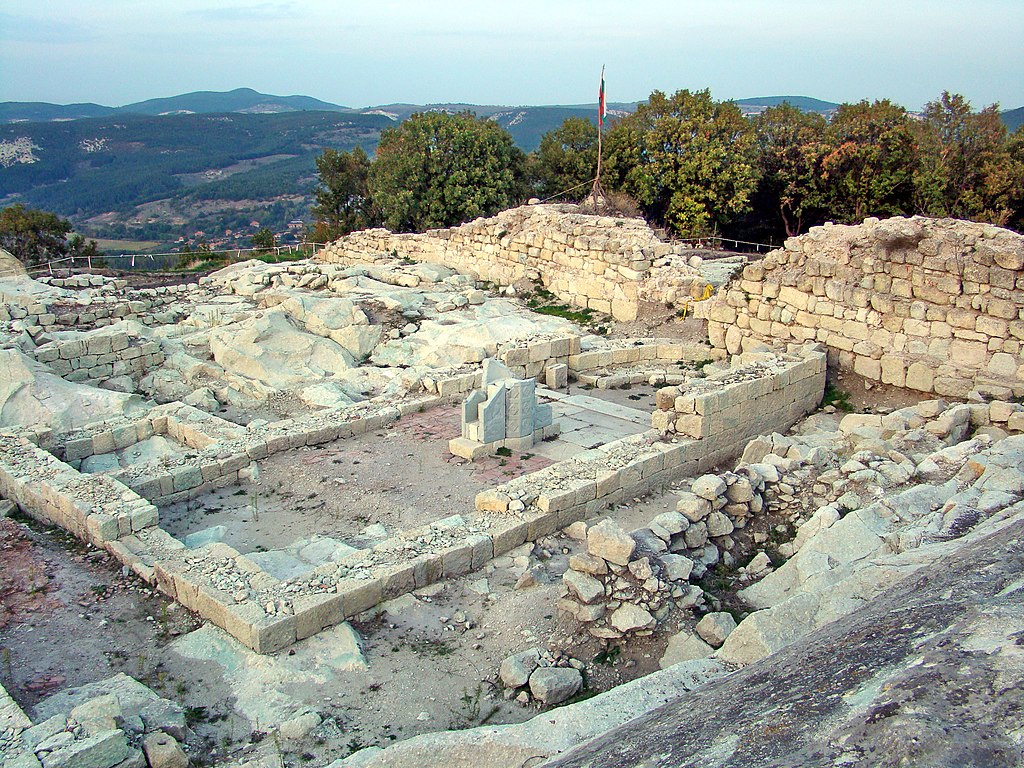
Perperikon is a large ancient rock-cut archaeological complex in Bulgaria’s eastern Rhodope Mountains, near the modern city of Kardzhali. People used the site for thousands of years, and it later developed into an important fortified center with religious, residential and defensive structures during the Roman, Byzantine and medieval periods.
The site has produced several seals associated with powerful rulers. Previous finds include seals of Byzantine emperors Anastasius I, Constantine IX Monomachos and Andronikos II Palaiologos, as well as a gold seal of Bulgarian Tsar Ivan Alexander.
The latest discovery adds to evidence that Perperikon was connected to wider political networks that shaped the medieval Balkans.
See all the latest news from Greece and the world at Greekreporter.com. Contact our newsroom to report an update or send your story, photos and videos. Follow GR on Google News and subscribe here to our daily email!

