



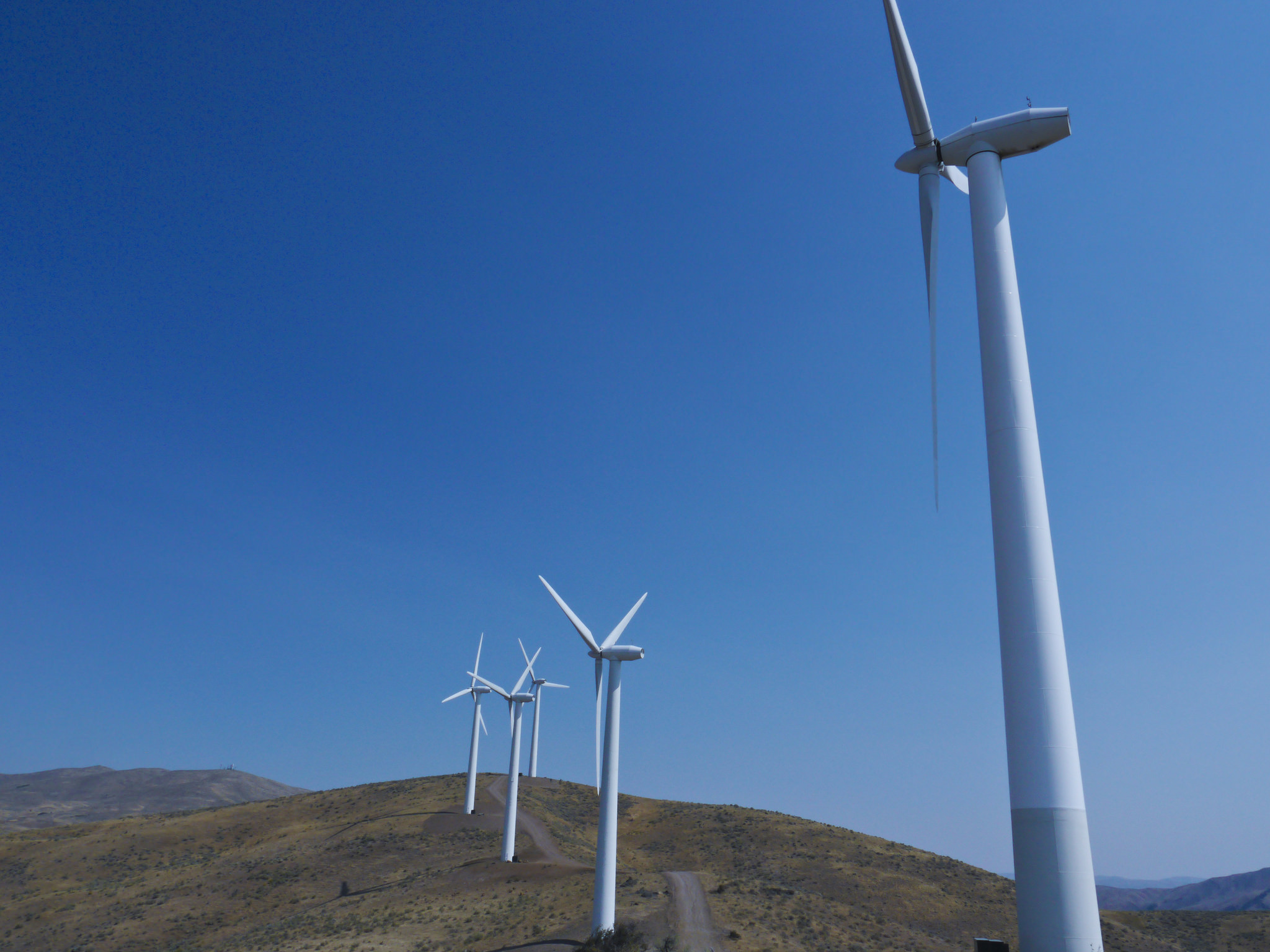
Greece has put a new national framework for renewable energy projects into force, introducing stricter rules on where wind, solar and other clean-energy installations can be built while expanding protections for the country’s natural landscapes, cultural heritage and local communities.
The new Special Spatial Planning Framework for Renewable Energy Sources updates rules that had largely been in place since 2008 and is intended to guide the development of renewable energy and energy-storage projects through 2050.
New exclusion zones and stricter safeguards
The framework, signed by Environment and Energy Minister Stavros Papastavrou and Deputy Ministers Nikos Tsafos and Marilena Soukouli, sets clearer conditions for the siting of new renewable energy and energy-storage facilities. It also forms part of a broader effort to create coordinated national spatial plans alongside separate frameworks for tourism and industry.
Among the changes introduced after public consultation, new wind farms are prohibited in tourism areas classified under Categories A and B. The framework also expands exclusion zones to include historical sites, ancient monuments, legally protected monuments dating from after 1830, water sources used for human consumption and untouched beaches.
The new rules impose additional requirements on Greece’s islands, where proposed wind farms must undergo a specific landscape assessment as part of the environmental licensing process. The assessment is intended to consider the scale of a project, the character of the landscape and its visual impact.
In mountainous areas of the islands, projects will be considered individually, taking account of their morphological and ecological characteristics. The maximum land coverage for wind farms remains capped at 4 percent of the area of each Municipal Unit.
The framework also provides for a narrow exception in areas with relatively low average wind potential. Projects may be considered where measurements demonstrate sufficiently strong wind resources at a specific site, provided they meet certification requirements and remain within the framework’s other restrictions.
From consultation to implementation

The new rules replace the planning framework adopted in 2008, which provided the foundation for Greece’s rapid expansion of renewable energy but predated many of the environmental, social and technological challenges now facing the sector.
Greek Reporter reported in May that the government had opened the proposed framework to public consultation. At the time, the draft included major restrictions on wind farms and solar installations, including limits designed to protect sensitive landscapes and natural areas. The latest decision moves the process from consultation to implementation.
The framework covers wind and solar projects as well as energy storage, small hydroelectric facilities, biomass, biogas, biomethane and geothermal energy. The inclusion of energy storage is particularly significant as Greece expands renewable generation and seeks ways to manage electricity production when sunshine or wind conditions fluctuate.
Papastavrou said Greece’s abundant sun and wind were a strategic advantage but argued that their exploitation required “planning, rules and respect for space and the environment,” according to the ministry.
He also said the framework rules out wind turbines in specified wildfire-affected areas of Attica and the Thessaloniki metropolitan area.
Balancing energy expansion and environmental protection
Greece has rapidly expanded renewable electricity generation and has become an increasingly important regional energy player. However, the growth of wind and solar installations has also generated opposition in some communities, particularly over the impact of large projects on islands, mountains and culturally significant landscapes.
The government’s challenge is therefore not simply to build more renewable capacity, but to determine where it can be developed without undermining the landscapes and heritage that are among Greece’s most valuable assets.
Tsafos said the framework would allow Greece to continue exploiting its solar and wind resources under stricter rules while seeking greater environmental protection and public acceptance.
Whether the new system succeeds will depend on how consistently its rules are applied. But the framework marks a significant shift from Greece’s earlier approach: renewable energy expansion is now being tied more explicitly to a national plan defining both where projects may be built and where development should stop.
See all the latest news from Greece and the world at Greekreporter.com. Contact our newsroom to report an update or send your story, photos and videos. Follow GR on Google News and subscribe here to our daily email!

