



Herophilos of Chalcedon, born around 335 BC in Chalcedon, a Greek city near Byzantium, was a pioneering figure who revolutionized human anatomy and medicine. His work laid the foundation for centuries of medical knowledge and practice.
Although largely overlooked in history books and little known outside specialist circles, Herophilos remains one of the most significant figures in the history of medicine.
Breaking taboos: The birth of human anatomy
Herophilos lived during the Hellenistic period, an era when science and philosophy flourished throughout the Greek world. Alexandria, in Egypt, served as the intellectual hub of the time, home to the famous Library of Alexandria and the Mouseion, which attracted scholars from across the Mediterranean. It was there that Herophilos conducted his groundbreaking studies.
His most remarkable achievement was his systematic dissection of the human body. Before his time, anatomy was largely based on animal dissection or speculation, as cultural and religious taboos in ancient Greece forbade cutting into human bodies. Herophilos broke these taboos and performed dissections on human cadavers, probably with state permission in Alexandria.
This bold approach allowed him to observe the human body in depth. He became the first known physician to conduct human dissections scientifically, gaining unmatched insights into human anatomy. He identified numerous organs and structures for the first time.
Herophilos made several key discoveries. He distinguished between veins and arteries, noting that arteries carry blood and pulse, and was the first to describe the brain as the center of the nervous system, challenging older beliefs that the heart ruled bodily functions. His studies clarified the structure and function of the brain, nerves, eyes, liver, and reproductive organs.
One of his most notable contributions was describing the pulse and its diagnostic value. Herophilos refined the study of the pulse, linking its rhythm and strength to various diseases and influencing medical diagnostics for centuries.
Herophilos also made significant advances in neuroanatomy. He described the brain’s ventricles and the optic nerve, and his work foreshadowed much of modern neurology. He recognized that the brain controls sensation and movement—a revolutionary concept at the time, as earlier thinkers believed the heart or liver were associated with this function.
A legacy of scientific discovery and lost works
Besides anatomy, Herophilos made crucial contributions to pharmacology and physiology, and he wrote extensively, though his original manuscripts have been lost. Most of what we know about his work comes from later commentators like Galen and Celsus. Despite this, his influence resonates throughout medical history.
Unfortunately, Herophilos’ contributions faded into obscurity. After the rise of the Roman Empire, dissections declined due to renewed taboos. It was not until the Renaissance that human anatomy regained attention, often without acknowledging Herophilos’ pioneering role.
His boldness set the stage for future anatomists like Galen and Vesalius. Galen, who lived centuries later, expanded on Herophilos’ findings. Yet, Galen’s writings overshadowed Herophilos’, partly because they survived intact, this also ultimately contributing to Herophilos’ obscurity.
Modern scholars such as Heinrich von Staden now recognize Herophilos as the first true anatomist. His work marks the transition from myth and speculation to observation and science in medicine. He embraced empirical methods centuries before the scientific revolution.
Herophilos’ legacy also highlights Alexandria’s role as a center of scientific innovation. The city fostered an environment where radical ideas could thrive. His rare access to human cadavers was invaluable, nurturing his curiosity and innovation.
His discoveries related to the nervous system are especially notable. Herophilos recognized nerves as distinct from blood vessels and understood their role in transmitting sensory information—groundbreaking knowledge for his time.
Herophilos also classified nerves into two types: sensory and motor, noting their origins and pathways. This early work in neuroanatomy laid the foundation for centuries of neurological research.
His contributions extended to the reproductive system, where he provided detailed descriptions of the uterus and male reproductive organs. These studies significantly advanced the understanding of human reproduction and development.
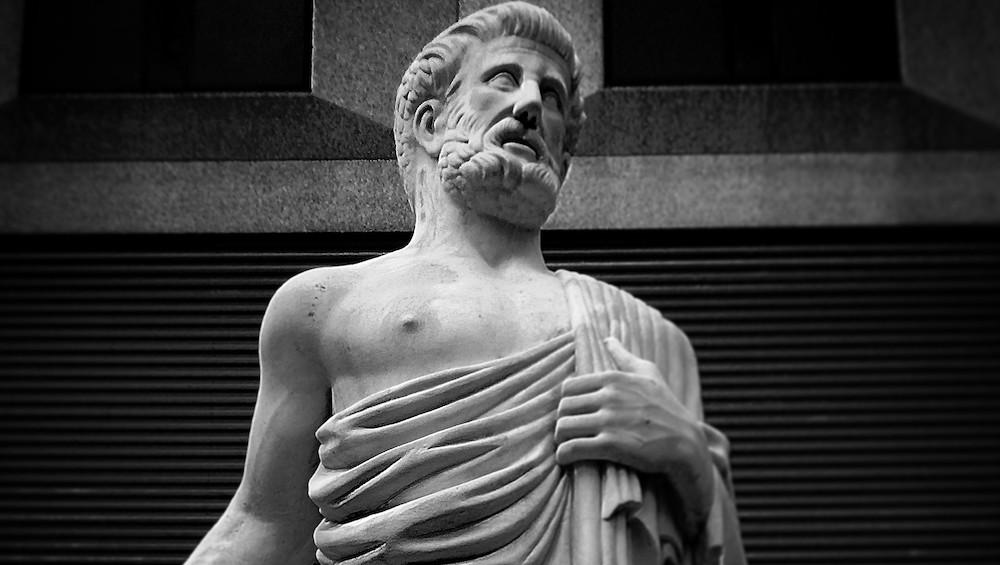
Herophilos’ groundbreaking contributions and controversial legacy
In medicine, Herophilos emphasized the importance of anatomy for diagnosis and treatment, believing that doctors must comprehend the body’s structure to heal effectively. This principle remains central in the study of medicine today.
Despite his enormous contributions, Herophilos remains underappreciated. Historians and medical students rarely study him in depth, while figures like Galen and Hippocrates are better known. Yet, Herophilos was arguably the first to apply rigorous scientific methods to human anatomy.
The loss of his original works is a significant tragedy for medical history. We rely on fragments and secondhand accounts to piece together his discoveries, which only adds to the mystery and fascination surrounding his figure.
Some ancient writers like Celsus accused Herophilos of unethical practices, such as vivisection on prisoners. While this remains debated, it reflects the complex ethics of early medical research. Nonetheless, his commitment to empirical observation pushed medicine forward.
Today, Herophilos deserves recognition as a pioneer who bridged philosophy and practical science. He demonstrated that careful study of the body reveals truths essential to medicine, and his methods anticipate modern scientific investigation.
In summary, Herophilos of Chalcedon transformed medicine forever. He pioneered human dissection and shifted anatomy from speculation to science. His discoveries pertaining to the nervous system, pulse, and various organs remain foundational. Though forgotten for centuries, modern medicine owes much to his courage and curiosity.
Honoring Herophilos means remembering the roots of anatomy and valuing scientific inquiry. His story inspires those who seek knowledge beyond fear and tradition, standing as a testament to the power of human curiosity to illuminate the mysteries of life.
See all the latest news from Greece and the world at Greekreporter.com. Contact our newsroom to report an update or send your story, photos and videos. Follow GR on Google News and subscribe here to our daily email!

