



Mount Olympus, the mythical home of the ancient Greek gods and one of Greece’s most important natural environments, has secured UNESCO World Heritage status following a historic unanimous decision.
The World Heritage Committee added the wider Mount Olympus area to UNESCO’s World Heritage List as a mixed cultural and natural property during its 48th session in Busan, South Korea.
The designation recognizes the mountain’s Outstanding Universal Value by combining its central role in Greek mythology, religion, and literature with its exceptional landscapes and biodiversity.
Moreover, the decision concludes a nomination process that began in 2014 and places Mount Olympus among the world’s most significant cultural and natural landmarks.
Greece’s third mixed world heritage site
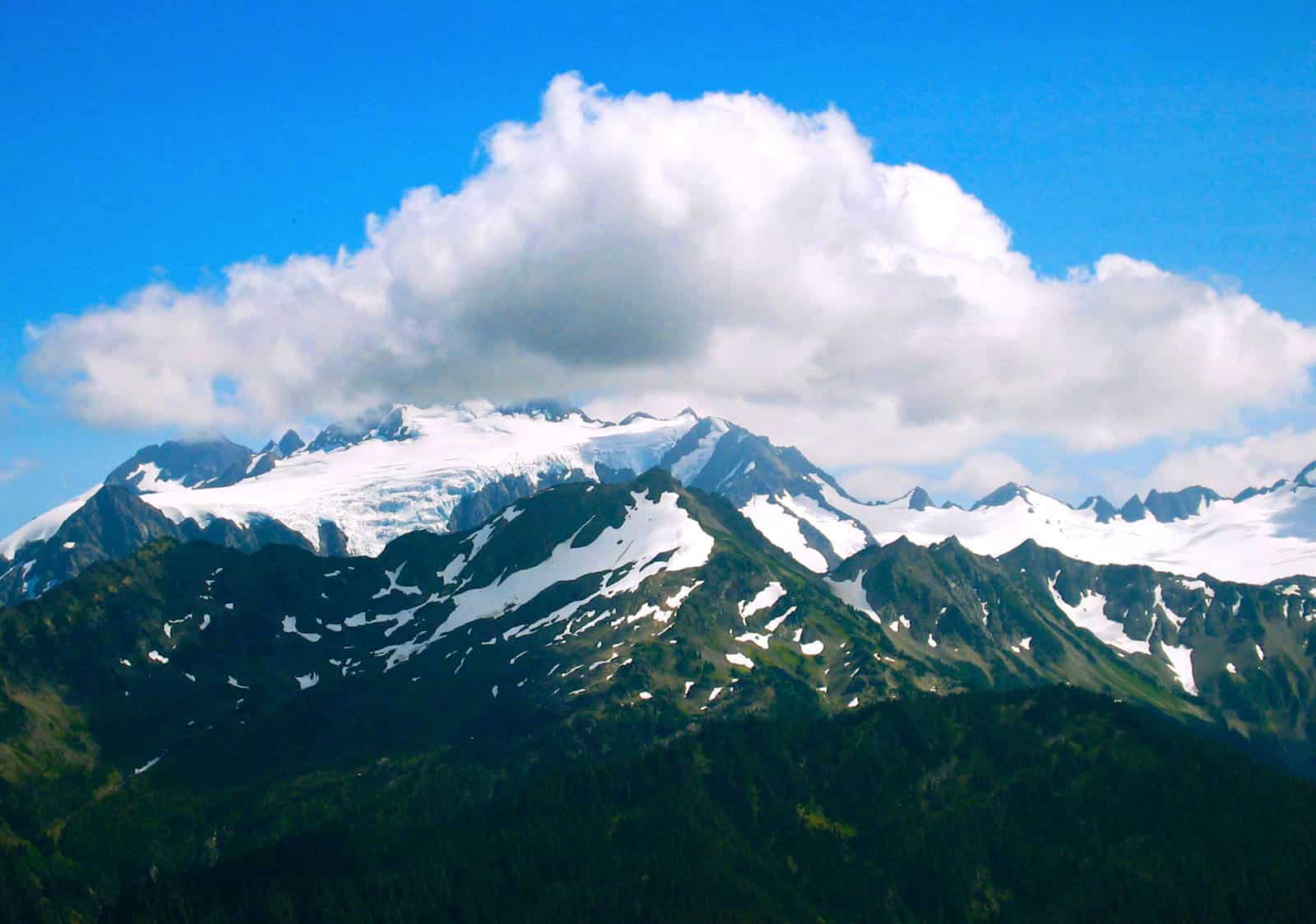
Mount Olympus becomes Greece’s third mixed World Heritage property, joining Meteora and Mount Athos. Greece now has 21 sites on UNESCO’s World Heritage List. Mixed properties represent a relatively small proportion of UNESCO-listed sites because they must meet criteria related to both cultural heritage and the natural environment.
Notably, the World Heritage Committee reviewed Mount Olympus as the only mixed-property nomination during its session in Busan. The classification also recognizes that the mountain’s cultural identity remains inseparable from the dramatic natural landscape that shaped its mythology and international significance.
🔴 BREAKING!
New inscription on the @UNESCO #WorldHeritage List: The wider area of Mount Olympus, #Greece 🇬🇷.
➡️ https://t.co/iO4B0Cjg9u #48WHC pic.twitter.com/X82hQYF7or
— UNESCO (@UNESCO) July 26, 2026
The mythical home of the Olympian gods
Mount Olympus holds a unique place in ancient Greek mythology as the home of Zeus and the Olympian gods.
The mountain also occupies a central position in the Homeric epics, Hesiod’s “Theogony,” and later Greek and Roman literature. Its towering peaks, ravines, forests, and often snow-covered landscape helped shape ancient descriptions of a remote and sacred realm above the human world.
Through these literary traditions, Mount Olympus became one of the most enduring symbols of Greek civilization. Furthermore, its cultural influence extended far beyond ancient Greece and continues to shape literature, art, philosophy, science, and contemporary popular culture.
The archaeological site of Dion, located at the foot of the mountain, provides an important physical connection to the religious traditions associated with Olympus. Dion served as a major center for the worship of Zeus and the Olympian gods. Its sanctuaries, public buildings, theaters, and other archaeological remains demonstrate how the mountain’s mythology found expression in organized religious and civic life.
Furthermore, ancient sacred sites, historical routes, and later Byzantine and post-Byzantine monuments illustrate the area’s religious importance over more than three thousand years.
Mount Olympus: A UNESCO World Heritage Site of Exceptional Biodiversity
The historic UNESCO decision also recognizes Mount Olympus as one of the most important centers of biodiversity in Greece and the wider Mediterranean region.
At 9,573 feet (2,918 meters), Olympus is the highest mountain in Greece. Its proximity to the Aegean Sea, dramatic changes in elevation, steep terrain, and relative geographical isolation result in a remarkable variety of ecosystems. As a result, the mountain supports 1,983 plant taxa, representing more than one-quarter of Greece’s flora.
Twenty-seven plant species grow exclusively on Mount Olympus and nowhere else in the world. Consequently, this high concentration of endemic species has earned the mountain its reputation as an “ark” of biodiversity. Its forests, alpine grasslands, rocky peaks, ravines, and lower-elevation habitats also support a wide variety of animal species.
These include birds of prey, reptiles, amphibians, invertebrates, brown bears, and Greece’s largest population of Balkan chamois, a goat-antelope native to the mountainous regions of southeastern Europe.
Finally, Mount Olympus became Greece’s first national park in 1938, marking an early milestone in the country’s efforts to protect its natural heritage. UNESCO also designated it a Biosphere Reserve in 1981.
See all the latest news from Greece and the world at Greekreporter.com. Contact our newsroom to report an update or send your story, photos and videos. Follow GR on Google News and subscribe here to our daily email!

