



On July 22, 1943, tens of thousands of Greeks poured into the streets of Nazi-occupied Athens to protest for Macedonia, in one of the largest public demonstrations in occupied Europe during World War II. Their goal was to stop German plans to expand Bulgaria’s occupation into additional parts of Greek Macedonia—a move that many feared would lead to further repression, forced Bulgarization, and the displacement of the region’s Greek population.
Despite deadly gunfire from German troops and Greek collaborationist forces, the protest achieved its immediate objective. Within days, the planned expansion of Bulgarian occupation was abandoned, making the demonstration one of the most significant acts of civilian resistance during the Axis occupation of Greece.
Germany’s Plan for Greek Macedonia
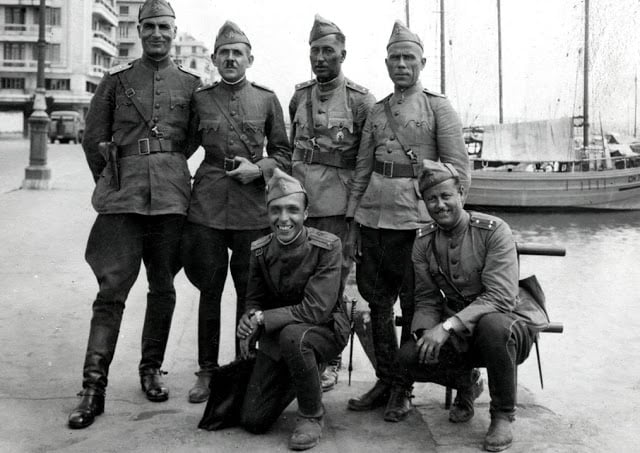
By the summer of 1943, Greece had endured more than two years of Axis occupation, divided among Germany, Italy, and Bulgaria. Bulgaria, a Nazi ally, had already annexed Eastern Macedonia and Western Thrace after the German invasion of April 1941, treating the territories as an integral part of the Bulgarian state rather than as occupied land.
Bulgarian authorities launched an aggressive campaign to erase the Greek character of the region. Greek schools and institutions were closed, the Greek language was banned from public life, place names were changed, and thousands of Greeks were expelled or pressured to leave. Many local residents were subjected to forced labor, while political opponents faced imprisonment or execution.
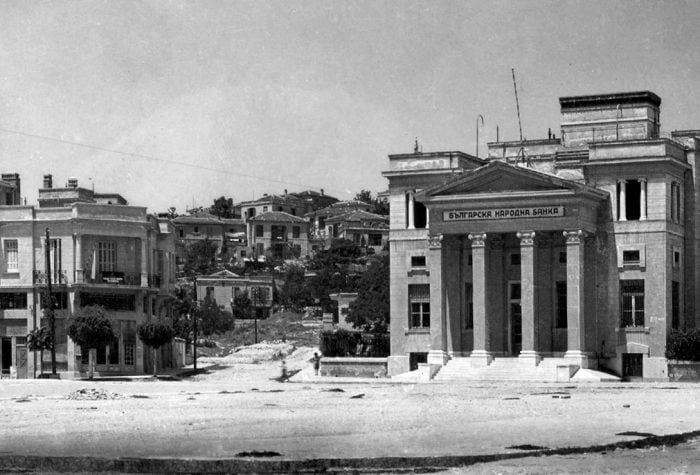
In July 1943, following Italy’s growing military weakness, Adolf Hitler approved plans to allow Bulgarian forces to extend their control into Central Macedonia, including areas around Thessaloniki. News of the proposal spread quickly through underground resistance networks, prompting outrage across occupied Greece.
Athens Rises in Defiance for Macedonia

On July 22, workers, civil servants, students, clergy, and ordinary citizens organized a massive strike and demonstration in central Athens. Historians estimate that between 100,000 and 300,000 people took part, making it one of the largest anti-Nazi protests in occupied Europe.
As demonstrators advanced toward Syntagma Square, German troops and Greek collaborationist police attempted to disperse the crowds with gunfire and armored vehicles. Several protesters were killed and many more were wounded.
Among those remembered is 17-year-old Panagiota Stathopoulou, who reportedly stood before a German tank carrying the Greek flag before being fatally struck. Her death became one of the enduring symbols of Greek resistance during the occupation.
Despite the violence, protesters refused to disperse, chanting patriotic slogans and demanding that the occupation plan be canceled.
1943 Protest for Macedonia was a Rare Victory Under Occupation
The scale of the demonstrations, combined with mounting security concerns across occupied Greece, convinced the German authorities to reconsider the proposal. The planned expansion of Bulgarian occupation into additional areas of Greek Macedonia was ultimately shelved.
Although Greece remained under Axis occupation until 1944, the events of July 22 marked one of the few occasions when mass civilian protest directly influenced occupation policy. Historians regard the demonstration as a remarkable example of collective resistance under extraordinarily dangerous conditions.
Why the Protest Still Matters
The July 22 demonstration remains one of the defining moments of the Greek Resistance during World War II. It highlighted the determination of ordinary citizens to oppose occupation despite the risk of imprisonment or death and helped preserve the administrative status of much of Greek Macedonia during one of the darkest periods in the country’s modern history.
More than eight decades later, the protest continues to be commemorated as a symbol of civic courage and national unity, illustrating how organized civilian resistance could shape events even under the harsh realities of Axis rule.
.
See all the latest news from Greece and the world at Greekreporter.com. Contact our newsroom to report an update or send your story, photos and videos. Follow GR on Google News and subscribe here to our daily email!

