



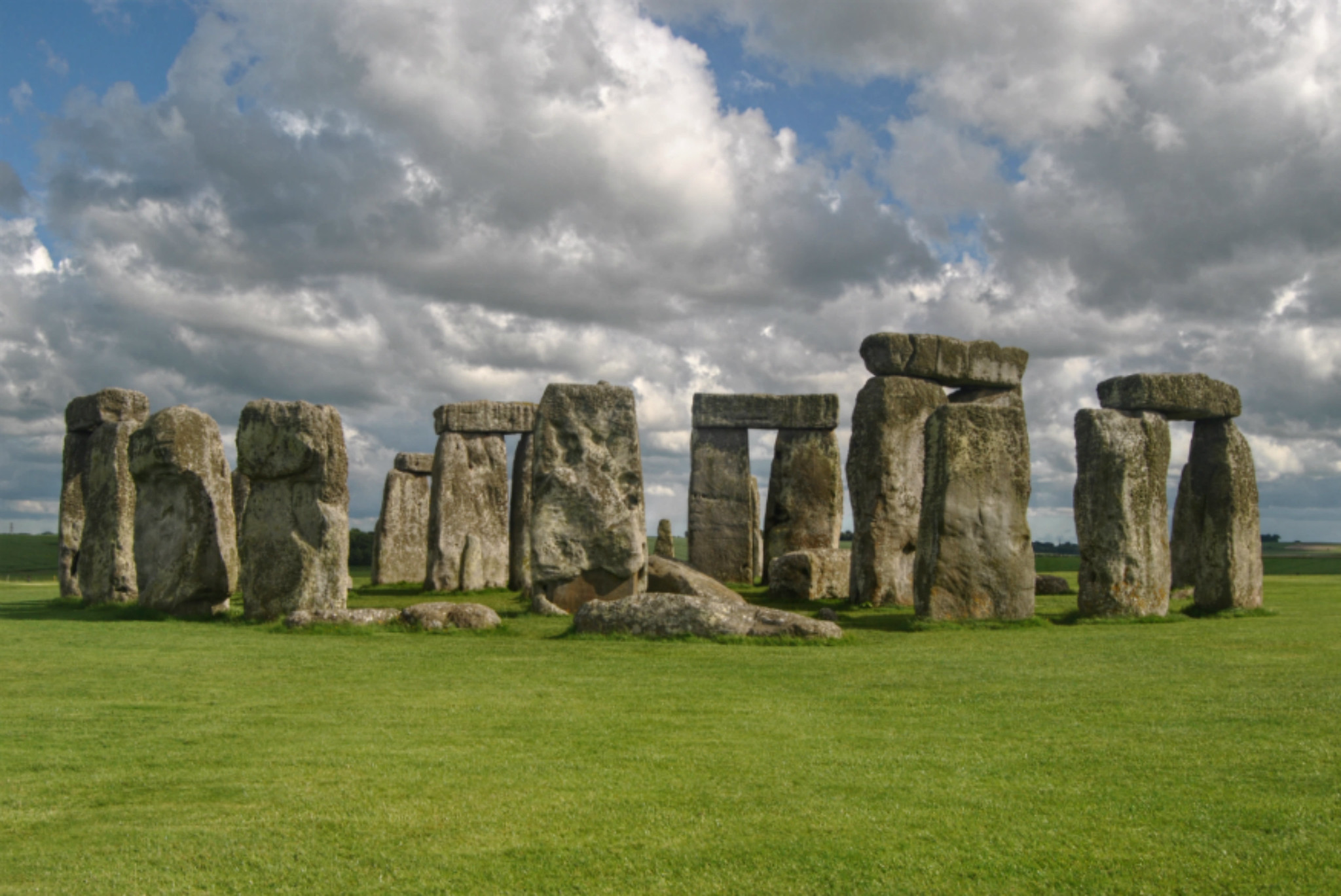
A prehistoric burial near Stonehenge long known as the “Shaman of Upton Lovell” has been identified as a woman’s, overturning a belief that shaped archaeological interpretation for more than 200 years.
Ancient DNA analysis revealed that the individual buried near Stonehenge about 4,000 years ago was biologically female. The finding challenges one of Britain’s best-known prehistoric identifications and is prompting researchers to rethink the roles women held in Early Bronze Age society.
Researchers examined surviving skeletal remains, including fragments of the skull, a tooth and a foot bone. DNA testing identified XX chromosomes, confirming the individual was female. The findings, which will be published in a peer-reviewed scientific journal, provide the first conclusive genetic evidence identifying the burial.
Grave goods point to a master goldworker
The woman’s grave contained an exceptional collection of objects linked to goldworking. Among them were a finely crafted battle axe made from dolerite brought from present-day Northumberland and stone tools used to smooth and polish gold. The presence of materials transported over long distances suggests access to extensive trade networks.
Earlier analysis of the grave goods showed that many of the objects were working tools rather than simple ceremonial offerings. Cups made from fossil sponges were likely used to prepare adhesives, while battle axes had been adapted for hammering and burnishing gold.
Ancient DNA has now revealed the 4,000-year-old burial belonged to a woman likely a skilled goldworker and ceremonial leader. The discovery is rewriting what researchers know about gender roles in Bronze Age Britain. pic.twitter.com/Vfz9POI5Y1
— Tom Marvolo Riddle (@tom_riddle2025) July 17, 2026
Together, the artifacts point to a highly skilled goldworker whose expertise would have been rare during the Early Bronze Age. The skeleton also offers clues about her life. Researchers estimate she was older than 45 when she died and suffered from arthritis in her right wrist. The condition is consistent with years of repetitive metalworking.
Artifacts suggest a ceremonial role
Other objects in the grave suggest she may also have held an important ceremonial role. A cloak decorated with perforated animal bones would have produced a distinctive rattling sound while its wearer walked or danced.
Archaeologists also found a pouch decorated with boar tusks. Together, these items suggest the woman may have participated in religious rituals while serving as a respected craftswoman.
Another woman was buried beside her in the same barrow with jewelry made from polished slate. The burial mound overlooks a valley leading toward Stonehenge. Researchers believe the route may have been used to transport valuable materials and prestige goods to the ceremonial landscape, helping explain why objects made from distant materials were placed in the grave.
Modern science rewrites the burial’s history
The burial was first excavated in 1803 and was identified as male based solely on the size and shape of the bones. That interpretation remained accepted for more than two centuries until modern DNA analysis proved otherwise.
The discovery highlights how advances in archaeogenetics are reshaping the study of prehistoric Britain. By combining genetic evidence with archaeological analysis, researchers have rewritten the story of one of the country’s most famous Bronze Age burials and provided new evidence that women could hold prominent positions as both skilled artisans and ceremonial leaders.
See all the latest news from Greece and the world at Greekreporter.com. Contact our newsroom to report an update or send your story, photos and videos. Follow GR on Google News and subscribe here to our daily email!

