



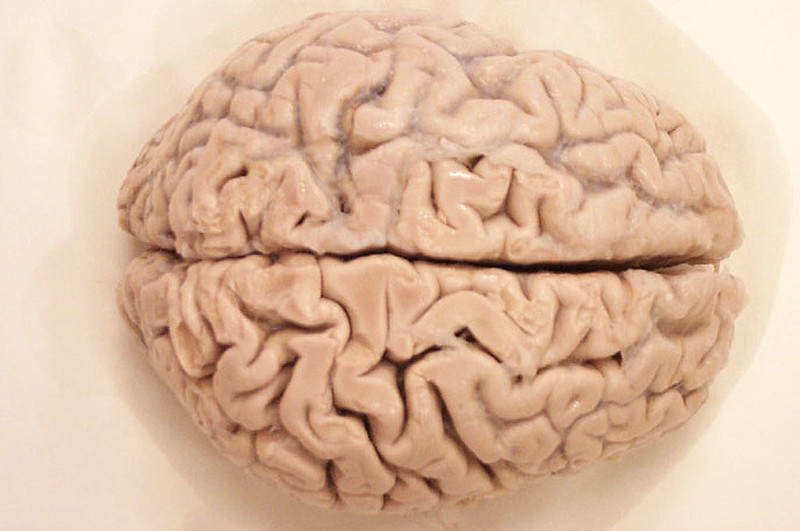
A new study sheds light on ancient brain preservation, revealing why some human brains survive for thousands of years while the rest of the body disappears. Researchers found that brains buried in wet, low-oxygen environments follow a unique chemical process that protects parts of the tissue instead of allowing it to fully decay.
The findings could improve archaeological research, forensic science and the study of neurological diseases. The study was led by Alexandra Morton-Hayward and tackles one of archaeology’s longest-standing mysteries.
Although the brain is one of the first organs to begin breaking down after death, more than 4,400 preserved human brains dating back as far as 12,000 years have been discovered around the world.
Researchers investigate an archaeological mystery
Scientists have long struggled to explain why brains sometimes survive while muscles, organs and other soft tissues disappear completely.
Previous discoveries showed that preserved brains are often found in waterlogged burial sites with little oxygen. However, researchers did not know exactly what happened at the molecular level to allow this remarkable preservation. The new study set out to answer that question by recreating different burial conditions in a controlled experiment.
Experiment recreated different burial environments
Researchers buried laboratory mice under four different conditions that varied in moisture and oxygen levels. Some were placed in wet, oxygen-rich environments, while others were buried in wet, oxygen-poor conditions. The experiment lasted six months, allowing scientists to monitor how brain proteins changed over time.
The human brain is one of the first organs to decay after death. So why have more than 4,400 ancient brains survived for thousands of years?
A new study suggests the answer lies in wet, low-oxygen burial conditions that trigger chemical reactions protecting key brain proteins. pic.twitter.com/jX9xe2VPG2— Tom Marvolo Riddle (@tom_riddle2025) July 9, 2026
The team used advanced protein analysis to examine more than 1.26 million peptide decay patterns. Peptides are the small building blocks that make up proteins. By tracking how these molecules changed after death, researchers identified which ones quickly disappeared and which remained stable.
Low oxygen changed the course of decay
Brains buried in oxygen-rich conditions steadily lost proteins as decomposition continued. In contrast, brains buried in wet, low-oxygen environments retained far more proteins, even after several months. Instead of destruction, parts of the brain became chemically stabilized and remained intact.
Researchers found that low-oxygen conditions created a different pathway for decomposition, allowing some proteins to persist while others continued to break down.
Preservation begins within weeks after death
The researchers say the preservation process starts much sooner than previously thought. Their findings suggest that the critical chemical changes occur within weeks after death.
During this early period, environmental conditions determine whether brain tissue continues to decay or begins following a pathway that can preserve it for centuries or even thousands of years.
Chemical reactions create lasting stability
Researchers believe preservation happens through a process known as oxidative cross-linking. Normally, oxidation damages tissues after death. But when oxygen is limited, the same chemical reactions appear to create strong links between nearby proteins instead of destroying them. These links form stable molecular structures that resist further decay.
The researchers say the findings challenge the traditional idea that decay and preservation are opposite processes. Instead, under the right conditions, the chemical reactions that begin decomposition can also help preserve tissue.
Certain proteins are more likely to survive
The study found that not all brain proteins have the same chance of surviving. Proteins rich in amino acids such as tryptophan, tyrosine, and methionine were more resistant to decay. Proteins with tightly packed beta-sheet structures also survived better than those with looser structures.
Researchers also discovered that proteins attached to cell membranes were more likely to remain intact than proteins floating freely inside cells. These membrane regions appear to create small spaces where stabilizing chemical reactions can occur while limiting further damage.
Brain chemistry creates a unique advantage
Researchers say the brain has several natural features that make it especially likely to follow this preservation pathway.
The organ contains unusually high levels of iron, uses large amounts of oxygen during life, and is rich in long-lasting proteins. It is also enclosed inside the skull, which limits oxygen movement after burial. Together, these factors create conditions that favor protein stabilization instead of destruction.
Study finds links to neurodegenerative disease
The researchers found that the molecular features of preserved brains resemble those seen in protein clumps linked to neurodegenerative diseases, including Alzheimer’s disease.
Although the biological processes are very different, researchers say both involve chemical changes that make proteins unusually stable. Understanding these shared mechanisms may provide new insights into how proteins change over time in both ancient remains and living brains.
Findings could reshape archaeological research
Researchers say the study provides the strongest molecular explanation so far for why ancient brains sometimes survive when nearly every other soft tissue has vanished.
The findings could help archaeologists better understand ancient human remains and improve forensic investigations by showing how burial conditions affect tissue preservation.
The research may also help scientists better understand the chemical processes involved in brain aging and neurological disease, revealing unexpected links between archaeology and modern medicine.
See all the latest news from Greece and the world at Greekreporter.com. Contact our newsroom to report an update or send your story, photos and videos. Follow GR on Google News and subscribe here to our daily email!

