



At the heart of the ancient Greek sacred tradition of Eleusis and goddess Demeter stands King Celeus, a noble figure who first welcomed the goddess to his land and became the earliest mortal to learn her secret rites. His role, though often overshadowed by gods and heroes, helped shape one of the most mysterious and revered religious institutions of the ancient world: the Eleusinian Mysteries.
A time of loss and wandering
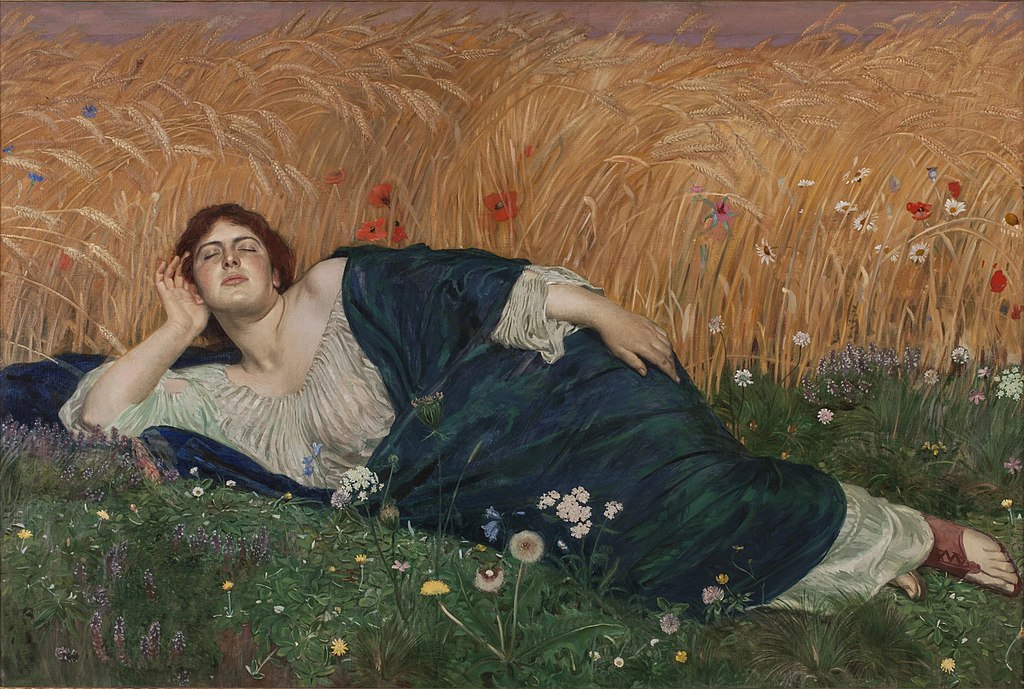
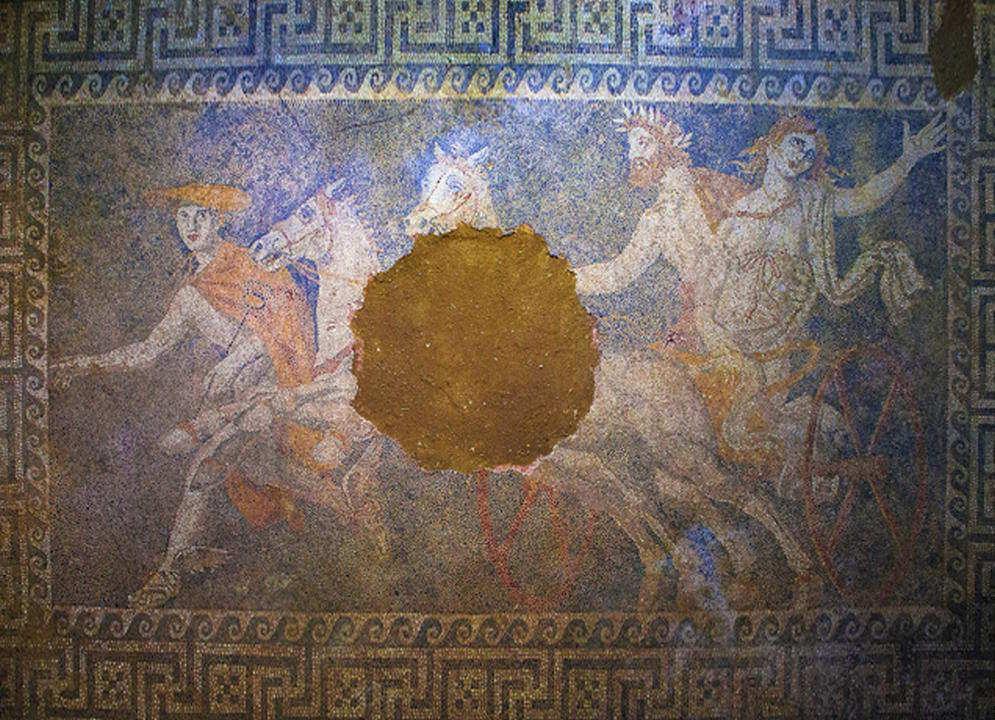
The myth begins with loss. Demeter, the goddess of grain and fertility, wandered the earth searching for her daughter Persephone, who had been abducted by Hades. Her grief darkened the world, crops withered, and humanity began to starve.
In her search, Demeter disguised herself as an old woman and arrived at Eleusis, a city near Athens. There, she was welcomed by Celeus, the king of the city. Unlike other rulers in Greek myths, Celeus showed no arrogance, suspicion, or disrespect to the disguised goddess. Instead, he offered her shelter and kindness.
This act of hospitality was no minor event. In Greek culture, “xenia”—the code of guest-friendship—was sacred. To host a stranger with dignity honored both custom and the gods, and Celeus embodied that tradition. His generous welcome changed the course of human spirituality.
Demeter’s stay in Eleusis
Celeus and his wife, Metanira, treated the disguised goddess as a nursemaid or guest. Demeter, in turn, cared for their infant son, Demophon. In some versions of the myth, she tried to make the child immortal by anointing him with ambrosia and placing him in fire each night to burn away his mortal parts.
When Metanira witnessed this, she cried out in horror. Demeter then revealed her divine identity. She forgave their alarm but ended her plan to make Demophon divine. Instead, she demanded a temple be built in her honor on the hill of Eleusis. Celeus obeyed.
This moment marked the founding of Demeter’s cult at Eleusis. The temple became the site of one of the most influential and long-lasting religious centers in the ancient world.
The first to learn the mysteries
According to myth, Demeter taught the rites and secrets of her worship to Celeus and his family. Celeus, therefore, became the first mortal initiate into what later became the Eleusinian Mysteries. These mysteries offered the hope of spiritual renewal, moral cleansing, and a better fate after death. For centuries, peasants and emperors alike arrived to Eleusis to be initiated from all parts of the Greek world.
Though the exact content of these rites was never recorded, ancient writers such as Plutarch, Cicero, and Hippolytus confirm their deep emotional and philosophical impact. All who experienced them came away changed—and it all began with Celeus.
Celeus stands apart from many kings of Greek myth. He is neither a warrior nor wages war and vies for power. He does not offend the gods or suffer a tragic downfall. Instead, he listens, obeys, and receives wisdom. Furthermore, his humility allowed the divine to enter his world.
In return, Demeter rewarded his city with prosperity. She made Eleusis sacred ground. The land flourished. Moreover, its people honored her with seasonal festivals and solemn rites. In the centuries that followed, the Eleusinian Mysteries became the central religious experience for many Greeks—and later for Romans, as well.
Celeus became a symbol of pious leadership. He showed that reverence and kindness, not just strength, define greatness.
Legacy and memory
Celeus remained a revered figure in Eleusinian tradition. By some accounts, he was eventually killed by the god Erichthonius during a time of strife, but his legacy endured. Later initiates into the Mysteries may have invoked his name in prayers and hymns.
His story reminds us that myths are not only about gods but also about the humans who receive them. The divine needs a door, and Celeus opened it.
King Celeus of Eleusis holds a unique place in ancient Greek religious history. Through a simple act of hospitality, he became the first to encounter the sorrowful Demeter and the first to learn her sacred rites. Additionally, his role as the first initiate gave birth to a tradition of mystery that endured for over a thousand years. He showed that wisdom can evolve not from conquest but from compassion.
In a world of fading kings and crumbling temples, the name of Celeus still echoes—quietly but with reverence—through the ruins of Eleusis.
See all the latest news from Greece and the world at Greekreporter.com. Contact our newsroom to report an update or send your story, photos and videos. Follow GR on Google News and subscribe here to our daily email!

