



Archaeologists working in Egypt’s Bahariya Oasis have uncovered new sections of the old Qasr Temple, revealing new details about a site that served as a major religious and administrative center for centuries.
The discovery was made by an Egyptian archaeological mission from the Supreme Council of Antiquities during the current excavation season at the Old Qasr site in the village of Al-Qasr.
Egypt’s Minister of Tourism and Antiquities, Sherif Fathy, said the findings deepen understanding of ancient Egyptian civilization and highlight the expertise of Egyptian archaeologists in uncovering the country’s past. He added that such discoveries strengthen Egypt’s position as a leading destination for cultural tourism.
New evidence linked to Psamtik I
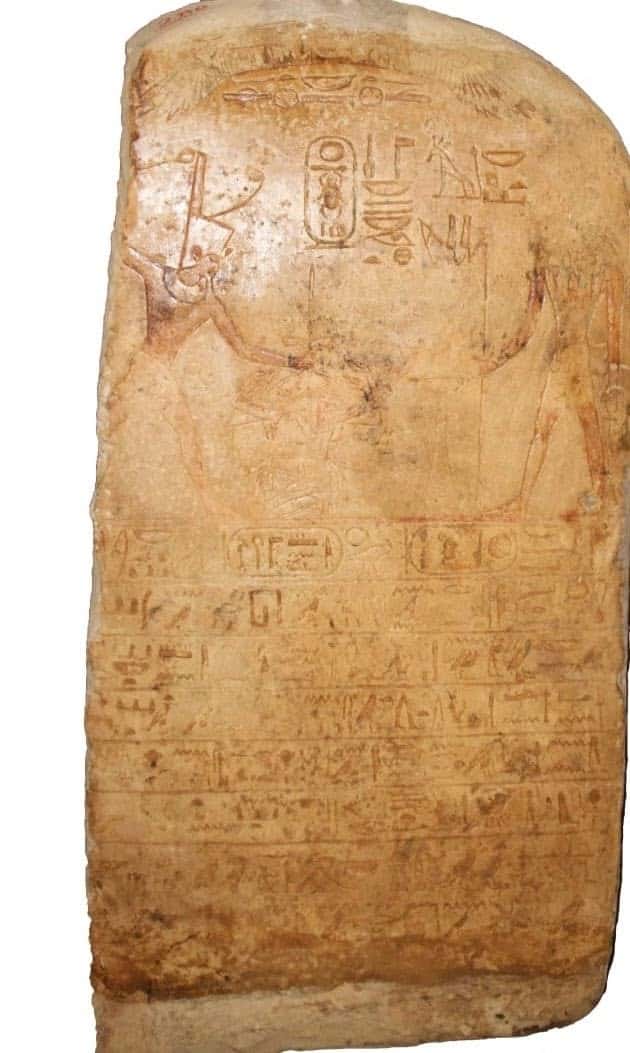
According to mission director Hisham El-Leithy, archaeologists uncovered several architectural elements, including the remains of a sandstone chamber and inscribed stone blocks bearing the name and royal titles of Pharaoh Psamtik I, founder of Egypt’s Twenty-Sixth Dynasty.
Researchers also recovered artifacts that are helping reconstruct the temple’s architectural layout and development. The discoveries provide fresh evidence of the site’s importance and its role as a regional center during multiple historical periods.
Temple expanded over generations
Mohamed Abdel Badi said excavations at the site began in 2014 and have continued through the 2026 season. The work has revealed substantial portions of a temple whose construction began under Psamtik I and continued during the reigns of Wahibre Apries and Amasis II.
One of the most significant discoveries is the temple’s main hypostyle hall, a ceremonial space supported by 16 sandstone columns. Archaeologists have also uncovered adjoining chambers and shrines that formed part of the larger complex.
Fragments of reliefs and hieroglyphic inscriptions mention several Egyptian deities, including Amun-Ra, Amunet, and Khonsu, underscoring the temple’s religious significance during Egypt’s Late Period.
Site history stretches back centuries
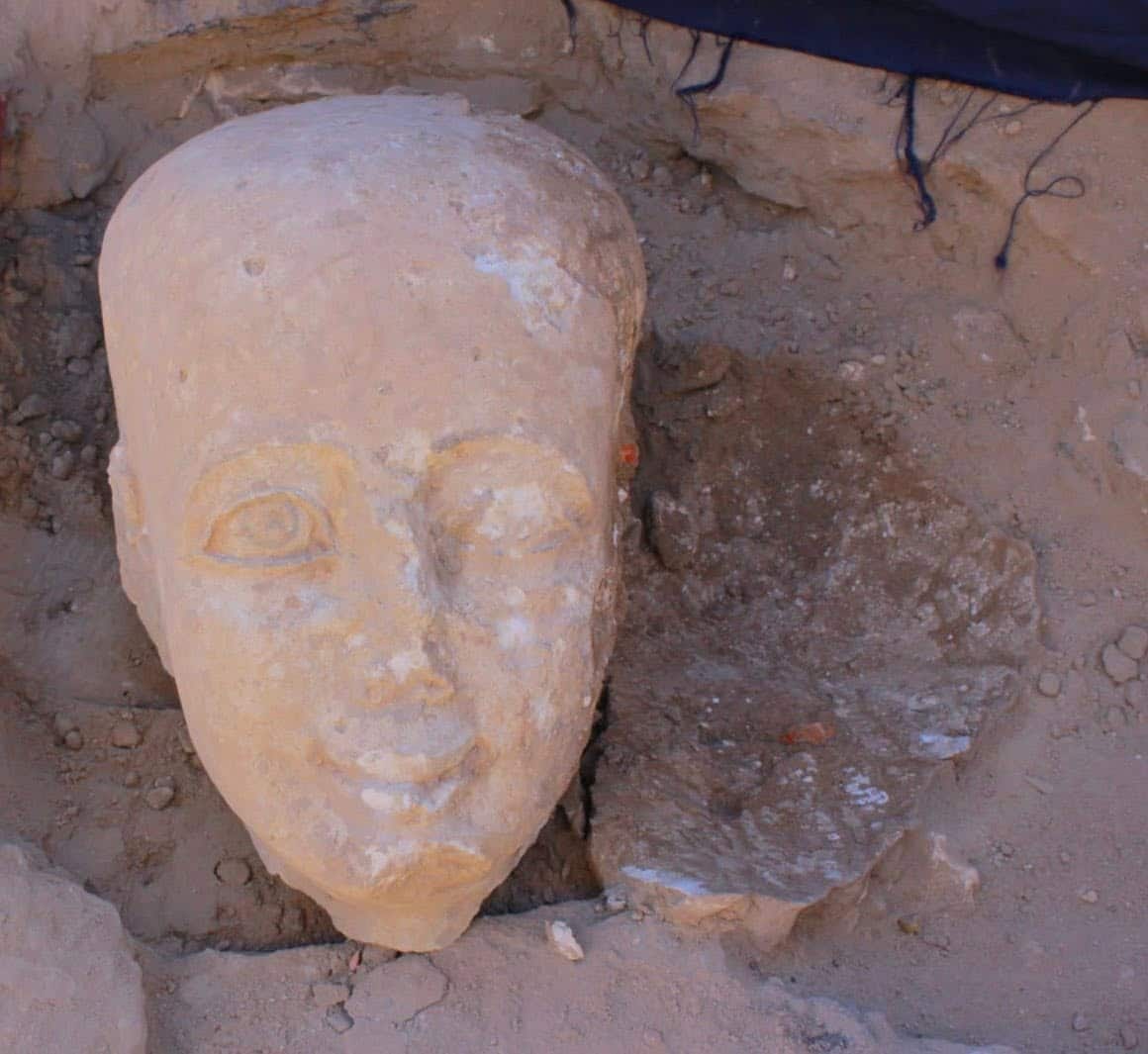
Excavators also uncovered a stone stela dating to the reign of Amenhotep II. The inscription confirms that Bahariya Oasis maintained ties with the Egyptian state during the New Kingdom, centuries before the construction of the Twenty-Sixth Dynasty temple.
Artifacts from the reign of Ramesses II suggest the site witnessed religious and architectural activity long before the later temple complex was built.
Kotb Fawzy said previous excavation seasons led to the first identification of the temple’s ancient name, “Ib-Set,” meaning “Seat of the Heart.” The name was discovered on a metal seal found within the temple.
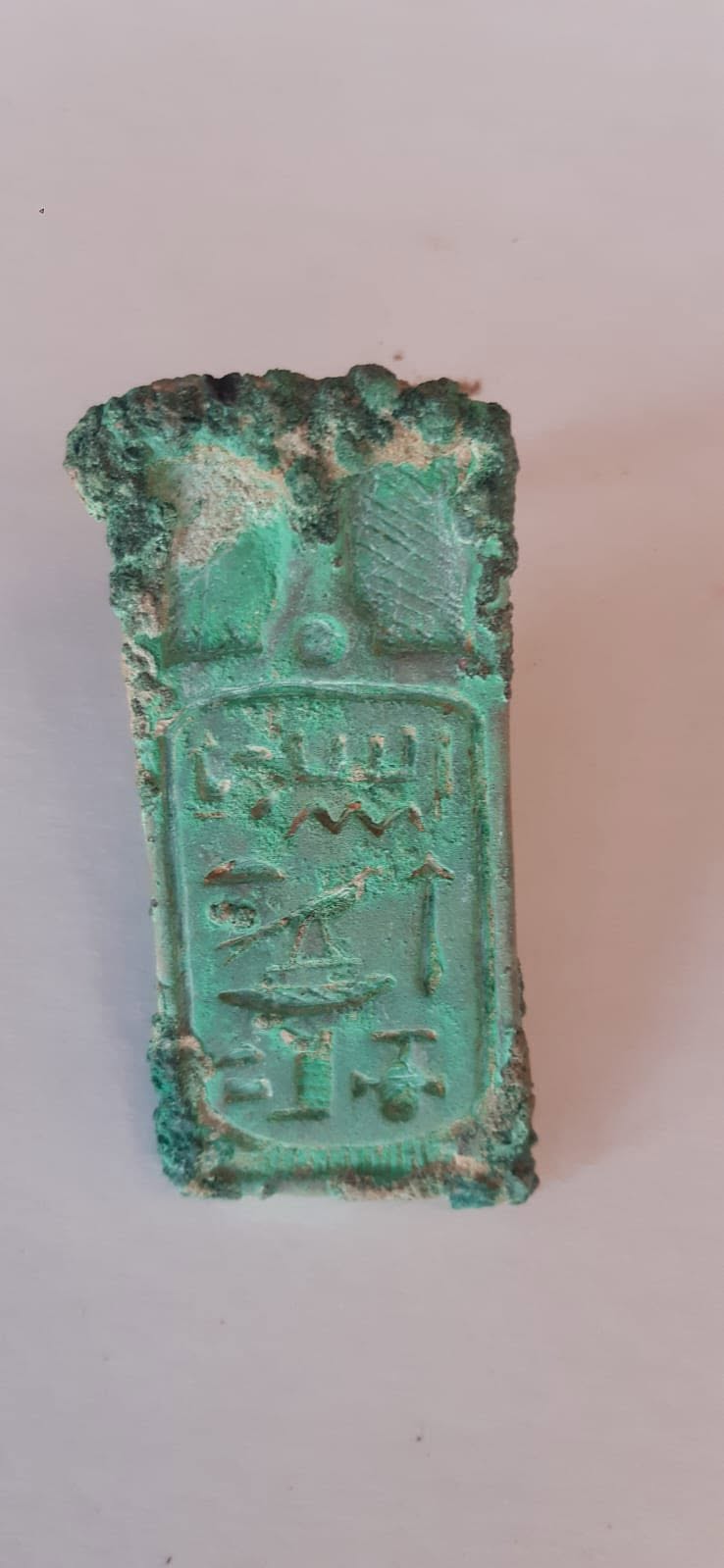
Earlier excavations also produced a statue of the god Thoth, a bronze statue of Osiris, a bronze amulet of Ra-Horakhty, and a shrine belonging to the local governor and priest Pa-di-Iza, an influential figure in the administration of Bahariya Oasis during the Late Period.
Continued use into Roman times
Sabry Farag said archaeological evidence shows the site remained occupied during the Greek and Roman periods and continued in use into the fourth and fifth centuries A.D.
Researchers uncovered ostraca, texts written in Coptic and Latin, industrial installations, wine and oil production basins, and storage facilities. The discoveries indicate that Old Qasr remained an active settlement long after the pharaonic era.
Today, Old Qasr is considered one of the most important archaeological sites in the Bahariya Oasis and served as the region’s ancient capital during Egypt’s Late Period.
See all the latest news from Greece and the world at Greekreporter.com. Contact our newsroom to report an update or send your story, photos and videos. Follow GR on Google News and subscribe here to our daily email!

