



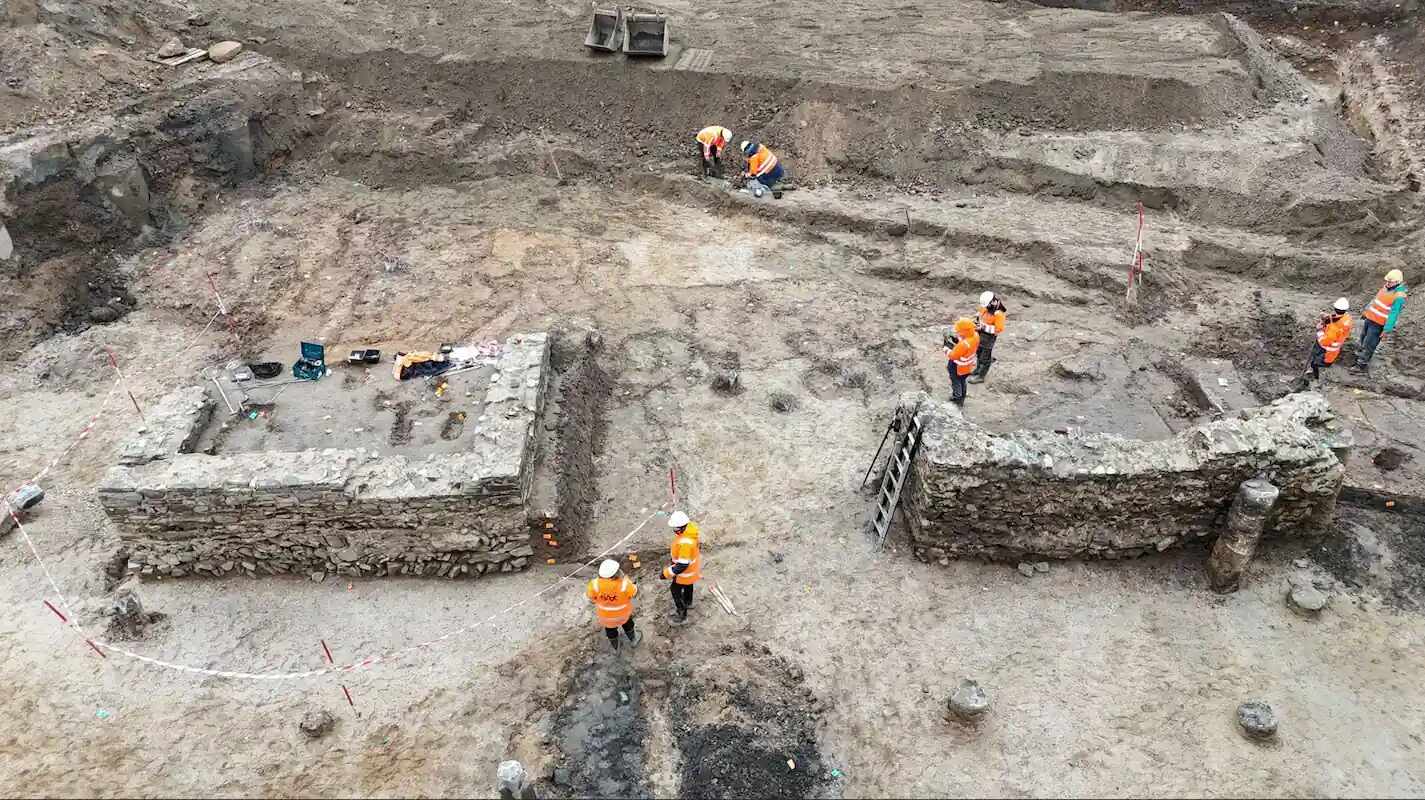
Archaeologists have uncovered the largest Roman bathhouse ever found in the Netherlands, during excavations at the ancient Roman city of Ulpia Noviomagus in Nijmegen.
Researchers from the firms RAAP and BAAC found most of the bath complex, along with nearby housing blocks, streets, luxury townhouses, and a tower.
The dig began in September last year and will continue through July. It is taking place on a future housing site owned by BPD Bouwfonds Gebiedsontwikkeling, in the Waalfront area of Nijmegen, a former industrial zone.
Tens of thousands of artifacts show that residents of this part of the city lived in luxury about 1,800 to 1,900 years ago. Archaeologists found pieces of bronze statues, signet rings, and a necklace with a gold clasp.
They also found hundreds of bone hairpins once used in elaborate hairstyles worn by Roman women. Two of the pins are decorated with images of an angry cat, one sitting and one standing.
Nijmegen dig unearths the Netherlands’ largest Roman bathhouse
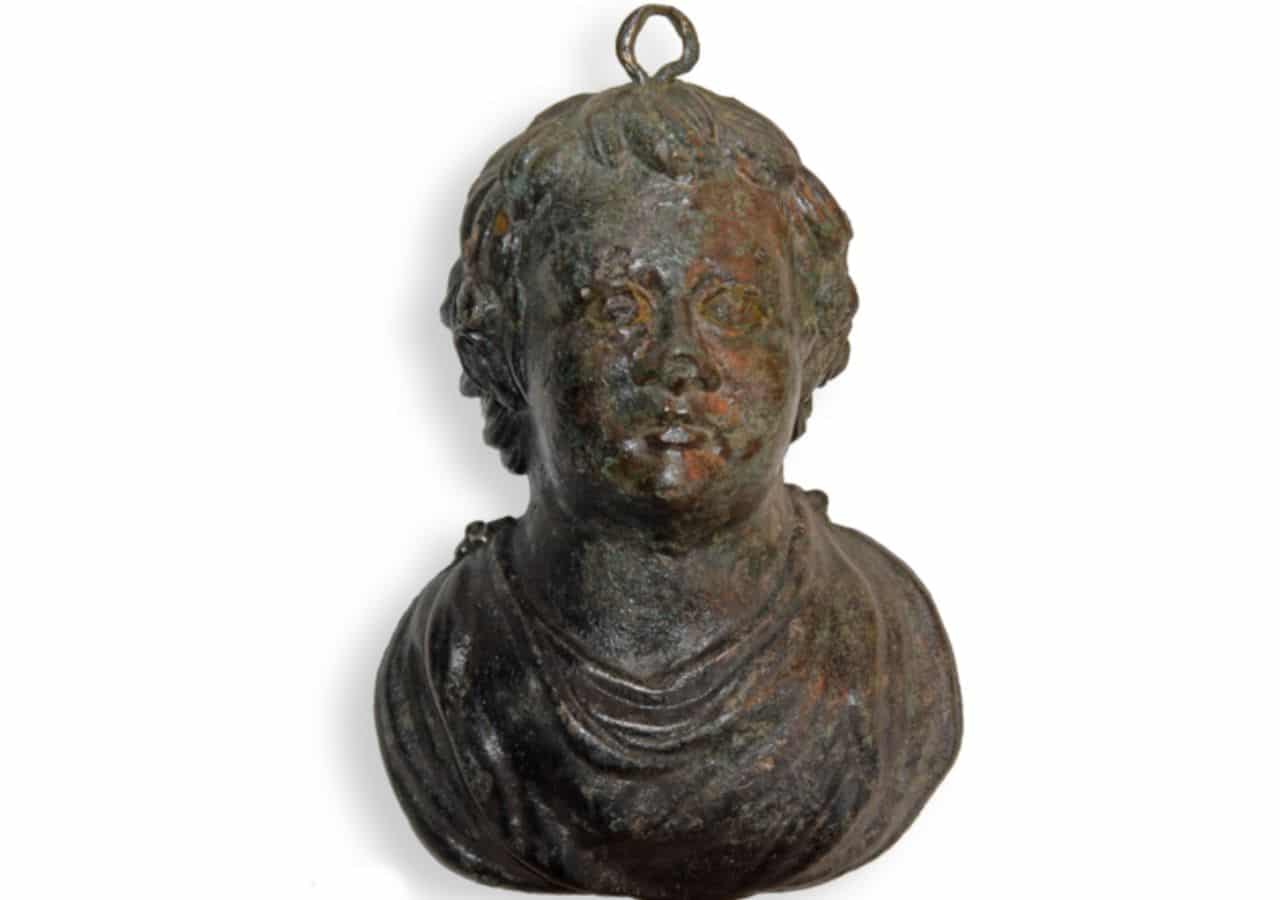
Among the most striking finds is a bronze bust of Bacchus, the Roman god of wine. The bust once decorated a jug or piece of furniture. Someone later added a loop to it so it could be used as a weight on a scale.
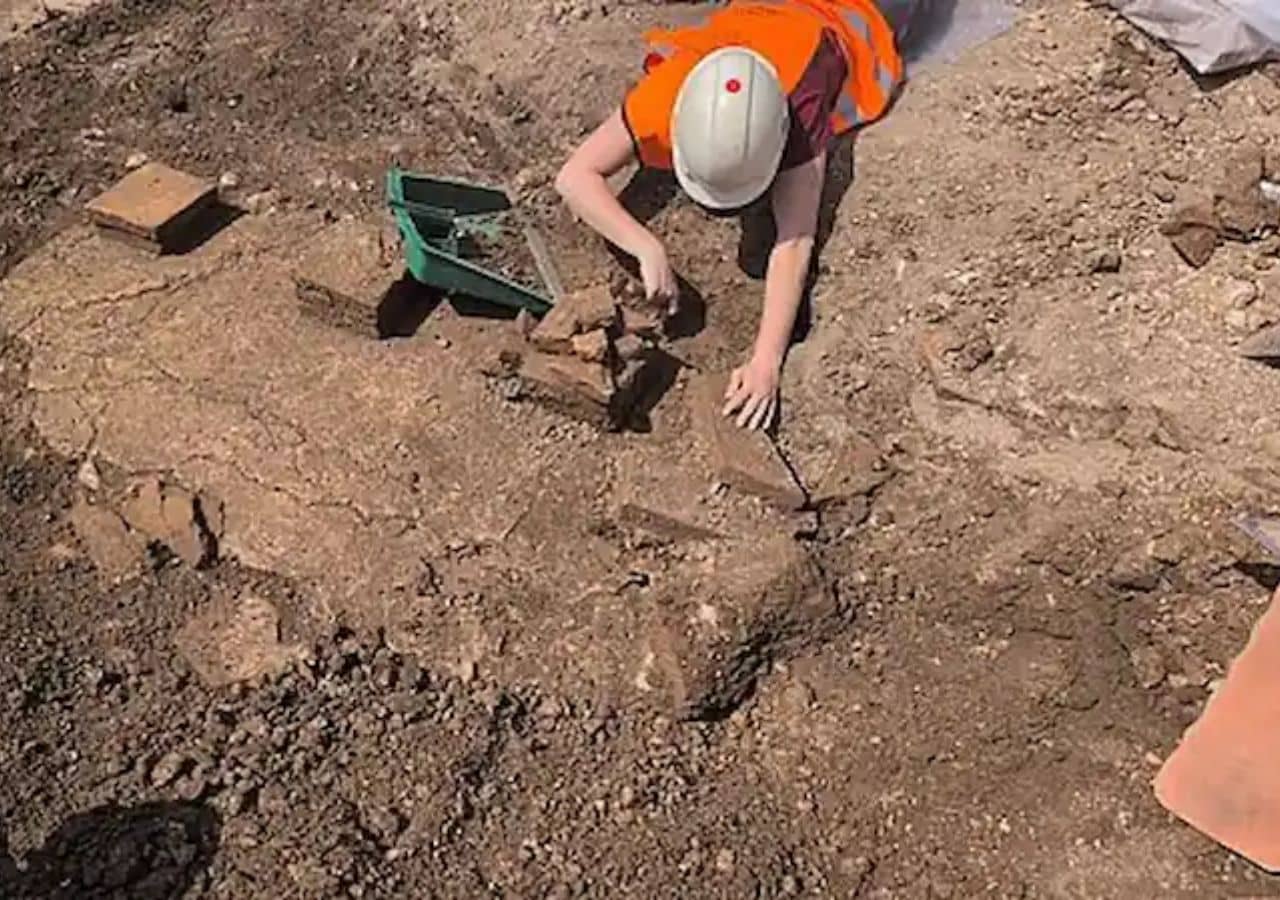
The bathhouse was built with costly materials. Marble lined the inner walls, and floors were covered with black and white limestone tiles. Other rooms had walls painted with colorful plaster and columns made of limestone and sandstone.
Brick pillars that once supported a heated floor system, known as a hypocaust, also survived. Two stone foundations still stand nearly two meters (6.6 feet) high, making them some of the best preserved Roman walls in Nijmegen. Developers plan to keep the walls in place and make them visible beneath the new buildings.
Coins found at the site, including many from the reign of Emperor Postumus between 260 and 269 AD, show the area stayed in use well into the third century. Such coins are rarely found elsewhere in the ancient city.
1992 find leads to Nijmegen’s new thermenplein square
Part of the bathhouse was first discovered in 1992 during an expansion of the nearby Honig factory, though only a small section could be studied then.
Historians believe the Roman settlement received city rights from Emperor Trajan around the year 100 AD, after which several major stone buildings went up, including the public bathhouse open to all citizens.
Covering at least 4,900 square meters (52,743 square feet), the bathhouse in Nijmegen stands as the largest Roman bathhouse found anywhere in the Netherlands, more than twice the size of similar baths uncovered in Voorburg and Heerlen.
Joost Mulder, a regional director at BPD, said the site’s Roman history stayed buried for years and is now resurfacing as a new neighborhood takes shape. He said several planned buildings will feature covered walkways lined with columns, echoing a Roman colonnade, and the central square, modeled on the bathhouse’s layout, will be named Thermenplein.
Tobias van Elferen, the city’s heritage alderman, said the discovery adds valuable new detail to Nijmegen’s Roman past and confirms its place as the country’s leading Roman city.
See all the latest news from Greece and the world at Greekreporter.com. Contact our newsroom to report an update or send your story, photos and videos. Follow GR on Google News and subscribe here to our daily email!

