



Inspectors in Israel have seized hundreds of ancient and forged coins hidden inside a balcony planter at a private home in East Jerusalem, authorities said this week.
The raid uncovered about 450 coins, including authentic ancient pieces and modern counterfeits. Authorities carried out the operation at the home of a resident suspected of involvement in the unlawful possession and trafficking of antiquities.
Coins span the Hasmonean, Herodian, and Roman periods
Experts examining the seized items said the cache included Hasmonean, Herodian, and Roman-era coins, spanning several centuries of ancient history in the region. Some of the coins were confirmed to be authentic antiquities, while others were identified as forgeries.
Several of the coins had been altered and mounted into jewelry, including pendants and earrings. Authorities said such modifications permanently damage the artifacts and remove them from their archaeological context.

Inspectors also discovered coin-cleaning equipment and professional photography gear inside the home. Investigators believe the tools were used to clean, document, and prepare the coins for illegal sale.
Evidence points to organized illegal trade
In another part of the residence, officials found ancient coins already packaged and suspected to be intended for shipment abroad to a buyer. Authorities said exporting antiquities without authorization violates Israeli law.
Officials said the presence of specialized equipment and packaged items suggests organized and deliberate illegal activity rather than casual possession. The suspect was taken in for questioning, and the investigation remains ongoing. Authorities said additional arrests or seizures are possible.
Coins reflect a Hellenistic world shaped by Alexander the Great
The Hasmonean dynasty emerged as the Jewish ruling power in Judea during the Hellenistic age of the Second Temple period, governing from about 141 BC until 37 BC. Its rise unfolded in a world reshaped by the conquests of Alexander the Great, whose empire spread Greek rule and culture across the eastern Mediterranean and the Near East.
After Alexander’s death, his territories were divided among his generals, one of whom founded the Seleucid Empire, a Greek-led kingdom that came to control Judea. In its early decades, Hasmonean rule existed within this Seleucid framework, operating with a degree of autonomy while navigating the political realities of a region dominated by Greek influence.
Coins issued by Hasmonean rulers often followed Hellenistic models, bearing Greek inscriptions and motifs.
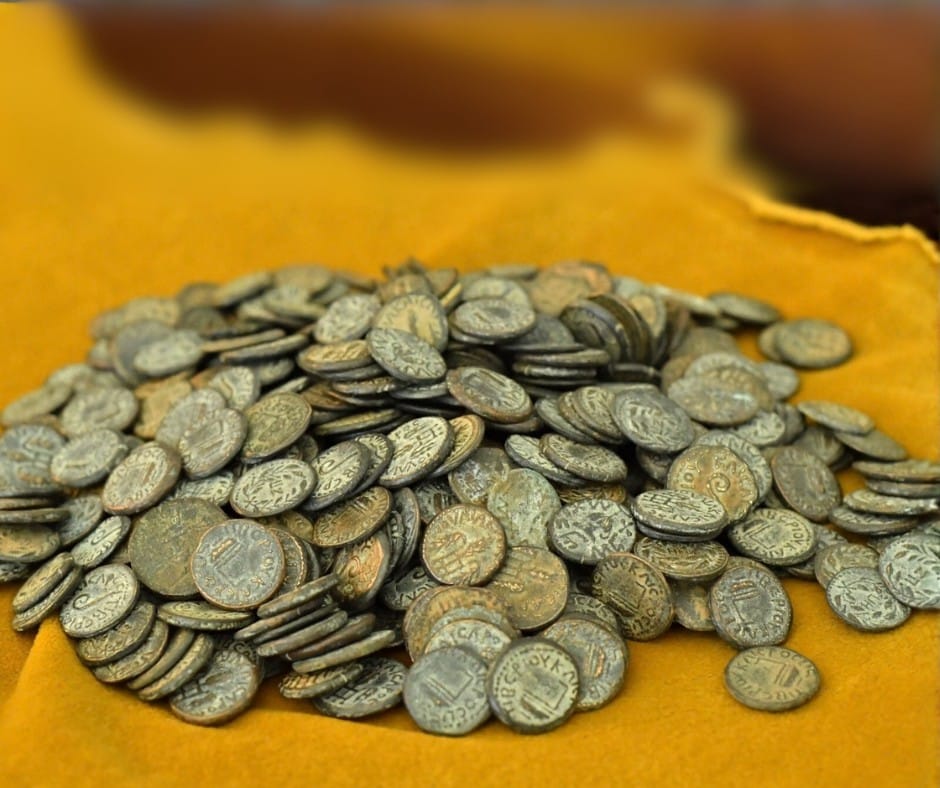
Some of the seized Hasmonean coins feature star or sunburst motifs, symbols widely used in Greek and Hellenistic art and coinage in various forms. Scholars note that such designs were common across the Mediterranean and were not limited to a single kingdom or dynasty.
Authorities warn buyers fuel looting and loss of history
The illegal trade in antiquities is what fuels looting, Ilan Haddad, supervisor of trade in the Israel Antiquities Authority’s Theft Prevention Unit, explained.
Haddad said buyers who pay for antiquities from questionable sources play a direct role in the destruction of archaeological heritage. Ancient coins, he explained, are especially valuable to researchers because they often carry inscriptions, dates, or symbols that help archaeologists determine when a site was used.
Ongoing effort to protect cultural heritage
The Israel Antiquities Authority said the case underscores its continued efforts to combat the illegal antiquities trade at every level, from looters in the field to dealers, forgers, and smugglers who move ancient objects into the black market.
Officials urged the public to avoid purchasing antiquities from unverified sources and to report suspected illegal activity to authorities.
See all the latest news from Greece and the world at Greekreporter.com. Contact our newsroom to report an update or send your story, photos and videos. Follow GR on Google News and subscribe here to our daily email!

