



A bust depicting a woman or goddess, dated at the end of the 4th century BC, is one of the highlights of the Archaeological Museum of Amphipolis in Northern Greece. The female bust was found together with sixteen other busts of various types in a woman’s grave in the eastern cemetery of Amphipolis.
The exhibit is impressive, as the bust has retained the color of clothing despite the passage of time. The figure has a tunic and a robe that covers the back of the head and shoulders. Details of the fabrics, the double necklace around the neck, the flower she holds in her right hand, the hair, and the lips are rendered in red.
Bust at Amphipolis and its restrained sadness
Dynamic touches of black color in the design of the eyes render with great success the expression of restrained sadness. The white coating emphasizes beauty ideals at the time.
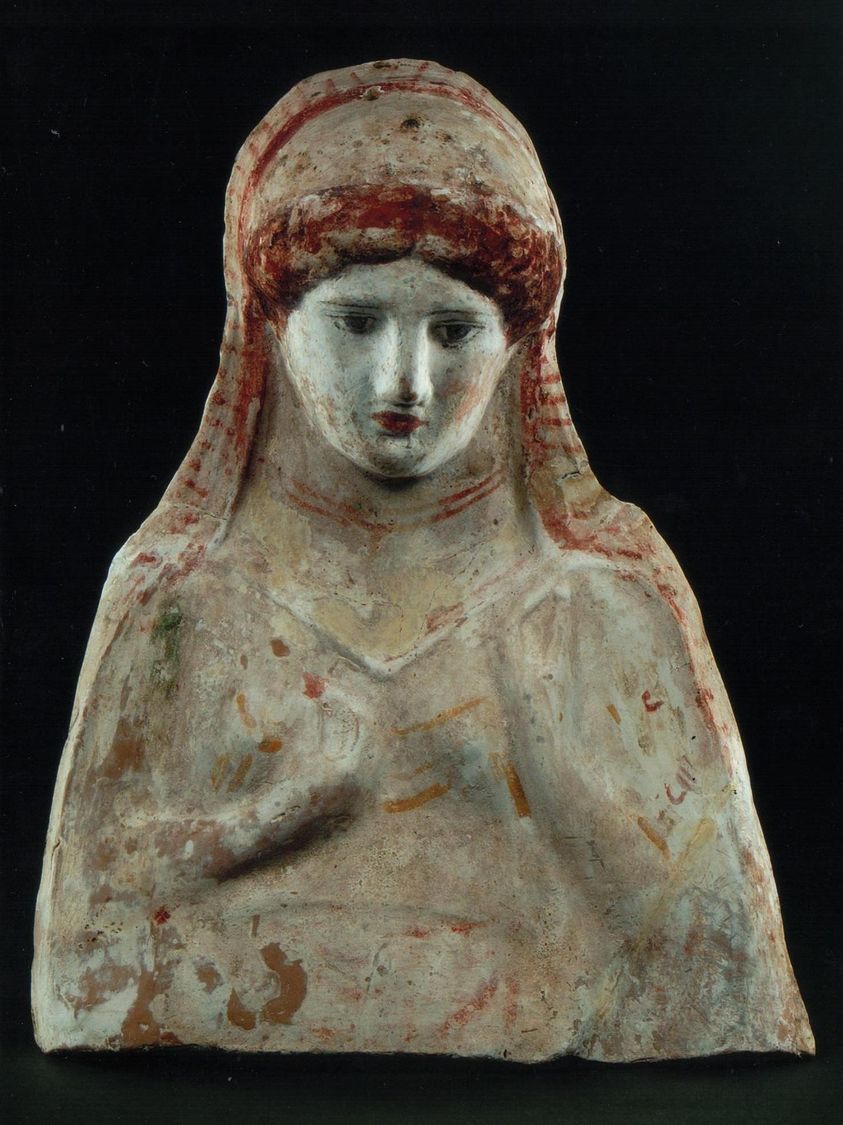
Similar busts are found in houses, sanctuaries, and tombs, always as tributes to deities associated with fertility, reproduction, and the regeneration of nature, the Greek Ministry of Culture says.
The history of the site
Amphipolis was a significant ancient Greek polis (city) and later a Roman city, whose prominent ruins stand to this day. The city was originally a colony of ancient Athenians and was the site of the battle between the Spartans and Athenians in 422 BC.
It was later the place where Alexander the Great prepared for campaigns leading to his invasion of Asia in 335 BC. Alexander’s three finest admirals, Nearchus, Androsthenes and Laomedon, resided in Amphipolis. Following Alexander’s death, his wife Roxana and their son Alexander IV were imprisoned and murdered in 311 BC.
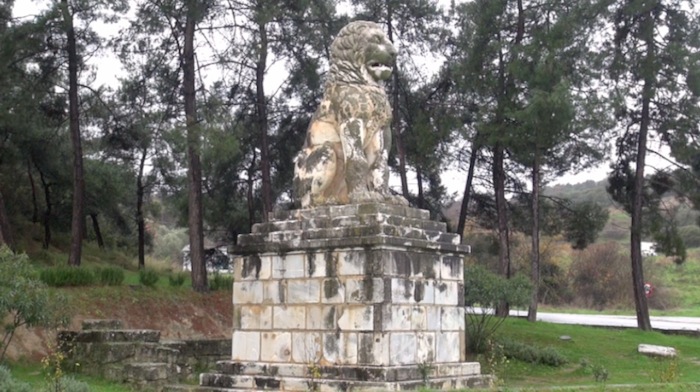
Excavations in and around the city have revealed noteworthy buildings, ancient walls, and tombs. The finds are displayed at the archaeological museum of Amphipolis. The Lion of Amphipolis monument nearby is a popular destination for visitors.
The Archaeological Museum of Amphipolis is an integral part of the archeological site of the same name and presents the history of ancient Amphipolis and its wider area, showing aspects of life and culture there from prehistoric times to the Byzantine period.
The nearby vast Amphipolis Tomb, or Kasta Tomb, has captivated both archaeologists and history enthusiasts worldwide since its discovery in 2012. The question of who is buried there remains a mystery. The Amphipolis Tomb is the largest burial mound ever discovered in Greece and by comparison dwarfs that of Philip II of Macedon, father of Alexander the Great, in Vergina.
In April 2023, after years of restoration work, Greece partially opened the monument which can be visited by specific groups of people, such as scientists, researchers, educators, and tour operators.
Related: Who Is Buried in the Amphipolis Tomb?
See all the latest news from Greece and the world at Greekreporter.com. Contact our newsroom to report an update or send your story, photos and videos. Follow GR on Google News and subscribe here to our daily email!

