



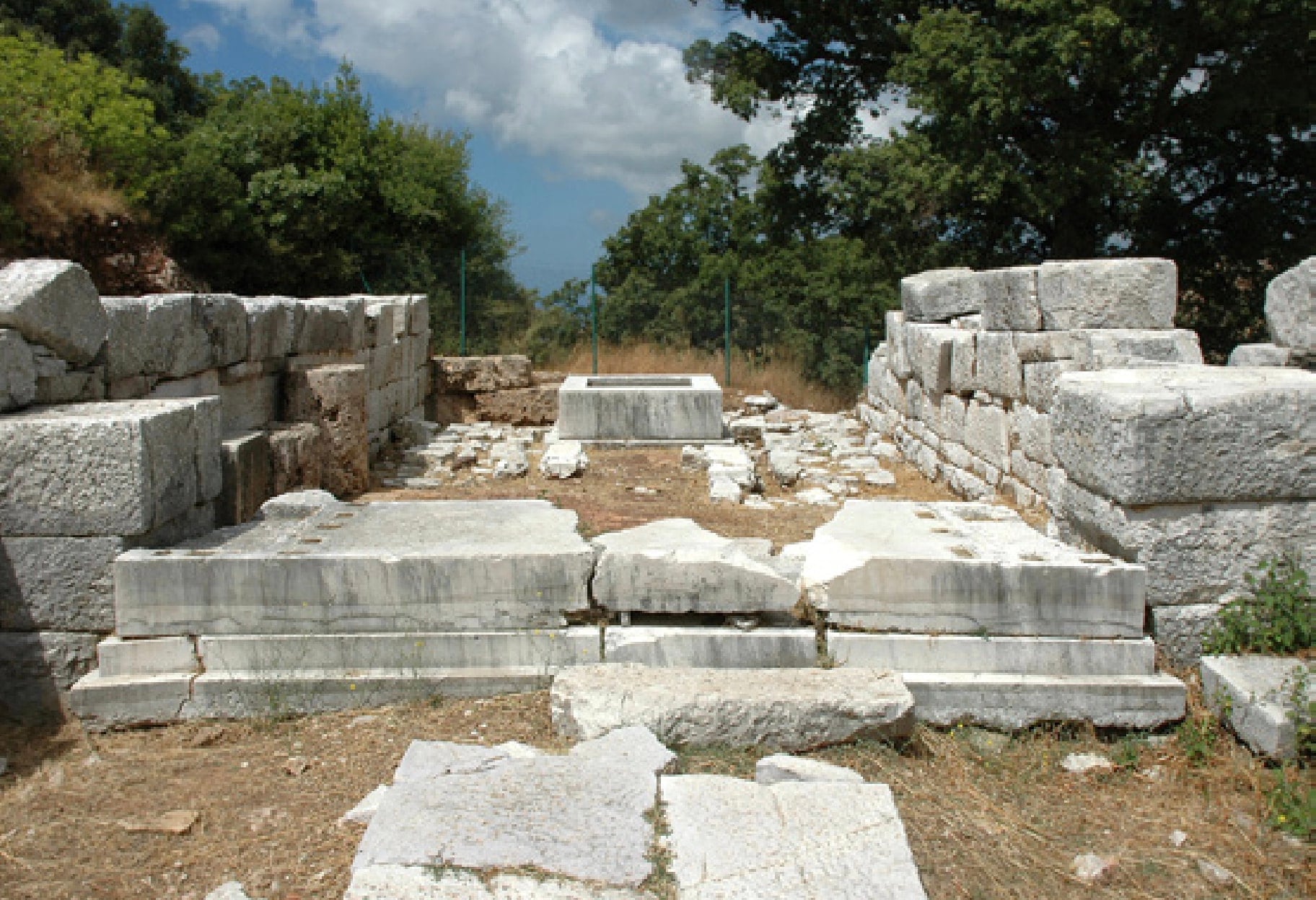
Ancient Greek sanctuaries uncovered across Arcadia reveal religious practices that Pausanias, the ancient Greek traveler whose writings shaped modern understanding of Greek worship, did not fully document. Historian Madeleine Jost’s study shows that many religious sites served shepherds, hunters, and farmers, offering a different picture from the temples and traditions described in ancient texts.
The study, published in the 2026 volume Reconstructing Greek Sacred Landscapes, examines archaeological remains, inscriptions, offerings and ancient coins.
Pausanias described 149 sanctuaries during his travels through Arcadia in the second century A.D. Yet archaeologists have securely identified only about a dozen of those sites.
Jost examines 21 sanctuaries documented through archaeological research to reconstruct religious life independently of his account.
Rural sanctuaries reveal everyday religious practices
Many sanctuaries stood on mountain slopes and hills, away from major settlements. Their locations reflected the livelihoods of communities that depended on livestock and hunting.
At Berekla, on Mount Lykaion, archaeologists uncovered bronze figurines depicting shepherds carrying lambs, calves and other animals. Inscriptions identify the sanctuary with Pan, the Greek god associated with shepherds and the countryside. The offerings suggest worshippers sought protection for their herds.
At Glanitsa, a bronze plaque showing a hunter with his dog and a clay figure of a shepherd suggest that Pan may also have been worshipped there. At Lykochia, inscriptions confirm the presence of both Pan and Artemis, the ancient Greek goddess of hunting, deities associated with animals and wildlife.
Mountain temples and flood risks shaped worship
The study also challenges Pausanias’ descriptions of mountain sanctuaries. Although he frequently placed temples on summits, archaeological evidence shows that builders often chose terraces below the peaks. At Mount Saint-Elias near Asea, excavations revealed centuries of religious activity.
Ancient Greek sanctuaries are revealing a side of religious life that Pausanias largely overlooked.
A new study of 21 sanctuaries in Arcadia shows how shepherds, hunters and farmers worshipped gods such as Pan and Artemis, challenging the picture preserved in ancient texts. pic.twitter.com/H4Tp5JLuJK
— Tom Marvolo Riddle (@tom_riddle2025) November 16, 2026
Researchers identified remains of 136 sheep or goats and just two cattle among animal bones associated with sacrifices and ritual meals. Geography also influenced urban sanctuaries. At Lousoi, religious buildings stood on elevated terraces above plains vulnerable to flooding.
Archaeology reveals gods overlooked by Pausanias
Jost found that Pan and Artemis feature prominently in the archaeological evidence. Demeter, however, is almost absent from the sites examined, despite receiving considerable attention in Pausanias’ writings. Other discoveries reveal the civic importance of religion. At Phigalia, inscriptions identify a temple dedicated to Athena Polias and Zeus Soter, while an elaborate sanctuary at Pheneos honored Asclepius, the god of healing.
The discovery adds to archaeological evidence of ancient Greek sanctuaries dedicated to Asclepius, including a recently identified site at Epidaurus that Pausanias described nearly 1,900 years ago.
Jost argues that excavations reveal rural traditions and community practices missing from ancient written accounts. However, many sanctuaries remain unidentified, and archaeological finds cannot always establish which gods people worshipped. The research highlights how geography, local economies, and everyday concerns shaped religious life in ancient Arcadia, beyond the traditions preserved by Pausanias.
See all the latest news from Greece and the world at Greekreporter.com. Contact our newsroom to report an update or send your story, photos and videos. Follow GR on Google News and subscribe here to our daily email!

