



New archaeological discoveries are shedding light on the architecture of the lost ancient Greek city of Arsinoe, revealing previously unknown details about its buildings and urban layout. The findings come from a joint Greek-Chinese excavation conducted in cooperation with the Hellenic Ministry of Culture and local archaeological authorities.
The historic project marks the first formal archaeological expedition partnership between Greek researchers and Chinese classical scholars in history. The initial field season concluded in July 2026 at the Angelokastro archaeological site in western Greece.
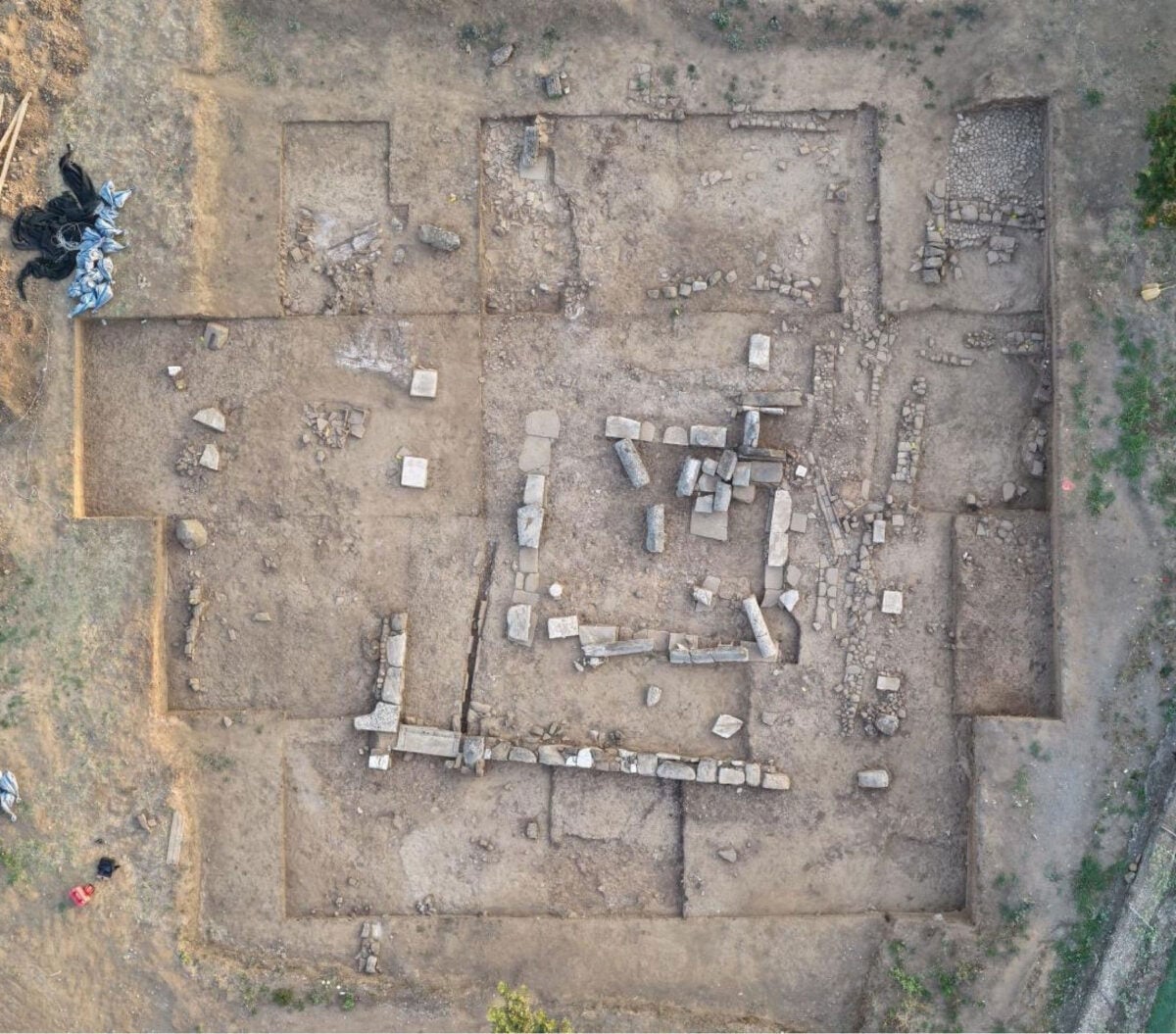
Excavators successfully unearthed a large, square monumental building featuring a majestic central peristyle courtyard. This significant discovery exposes successive structural phases and extensive ancient modifications. Moreover, these changes prove the local population utilized the sprawling complex continuously across several distinct historical eras.
Unifying historic discoveries at Kakavaria
The ambitious five-year research program spans from 2026 through 2030 under the official auspices of the Greek Ministry of Culture where the state agency coordinates the field excavations alongside the Chinese School of Classical Studies in Athens.
The Ephorate of Antiquities of Aetolia-Acarnania and Lefkada also provides vital local logistical backing. The collaborative team aims to thoroughly map the comprehensive urban plan, defensive networks, and residential organization of ancient Arsinoe.
Fieldwork centered exclusively on the rolling hills of the “Kakavaria” sector, a zone holding rich subterranean treasures. The 2026 team aggressively expanded older trenches to fully expose a massive building complex. Renowned Greek archaeologist Lazaros Kolonas originally discovered the first sections of this structure during preliminary rescues decades ago.
Tracing imperial ties to Egypt and Epirus
The newly exposed monument displays highly meticulous masonry, elegant craftsmanship, and sophisticated engineering techniques. The grand architectural layout shares striking stylistic similarities with elite classical buildings found at nearby Calydon.
Ancient builders originally constructed Arsinoe on the ruins of an older settlement named Conope. King Ptolemy II Philadelphus, the powerful Greek ruler of Egypt, officially refounded and renamed the city in the third century BCE to honor his sister and wife, Queen Arsinoe II. Eventually, this royal African connection transformed the regional trade hub into a vital strategic stronghold and guarded the fertile Aetolian plains against rival invasions from Epirus and Macedonia.
The 2026 trenches yielded an abundance of historically significant artifacts. Archaeologists recovered heavy terracotta roof tiles, finely molded clay antefixes, intact ceramic vessels, rare bronze coins, and preserved animal bones.
Specialized laboratory technicians are currently conserving and analyzing this rich material to establish absolute chronological dates. Dr. Olympia Vikatou, General Secretary of the Ministry of Culture, serves as the overall project director. Additionally, Dr. Li Xinwei, Director of the Chinese School of Classical studies in Athens, confidently leads the expert Chinese academic delegation.
Deploying aerospace tech to map the lost city
Future archaeological expedition seasons will aggressively expand the digging zones to isolate Arsinoe’s massive perimeter fortification walls.
The international team will deploy cutting-edge technological sensors to map the hidden landscape without disturbing the soil. The researchers will utilize advanced satellite remote sensing, deep ground-penetrating radar, surface surveys, and geo-archaeological core drilling. Finally these modern tools will provide a comprehensive digital reconstruction of Arsinoe’s evolution.
This data will chart its transition from a Hellenistic royal center into a thriving Roman and Byzantine settlement.
See all the latest news from Greece and the world at Greekreporter.com. Contact our newsroom to report an update or send your story, photos and videos. Follow GR on Google News and subscribe here to our daily email!

