



Ancient Greek temples may have contained attic spaces used for religious activities, according to a new study examining roof construction and internal staircases. The research suggests that some areas beneath temple roofs may have served purposes beyond maintenance, although their exact functions remain uncertain.
The study, led by Ayaka Kawazu of Waseda University in Japan, compares Doric temples in mainland Greece with those in Magna Graecia, the ancient Greek colonies of southern Italy and Sicily. Published in the Journal of Architecture and Planning, the research examines how temple design may have influenced the use of upper spaces during the Archaic and Classical periods.
Ancient staircases reveal access to upper temple spaces
Several temples in Magna Graecia featured stone staircases built into their interior walls. Builders often positioned them between the entrance chamber and the main sacred area. Some temples had two staircases arranged symmetrically on opposite sides. Their placement suggests that access to the upper levels was part of the original architectural design.

The Temple of Concordia at Akragas, now Agrigento in Sicily, provides important evidence. Its surviving stone staircases extend toward the upper sections of the building, showing how people could reach spaces beneath the roof. Earlier researchers also identified decorative stone moldings in the temple’s upper structure. These features prompted suggestions that the area may have supported religious activities.
Roof construction differed across Greek regions
The study also examines differences in roof construction between mainland Greece and its western colonies.
Temples in Magna Graecia often used large wooden beams to span wide interiors without additional supporting columns. Mainland Greek temples generally featured shorter unsupported roof spans.
Scholars have debated whether these differences resulted from stronger timber, regional building traditions, or more advanced construction methods. Kawazu examines roof spans alongside staircase designs to better understand how builders organized access to upper temple spaces.
Were temple attics used for religious rituals?
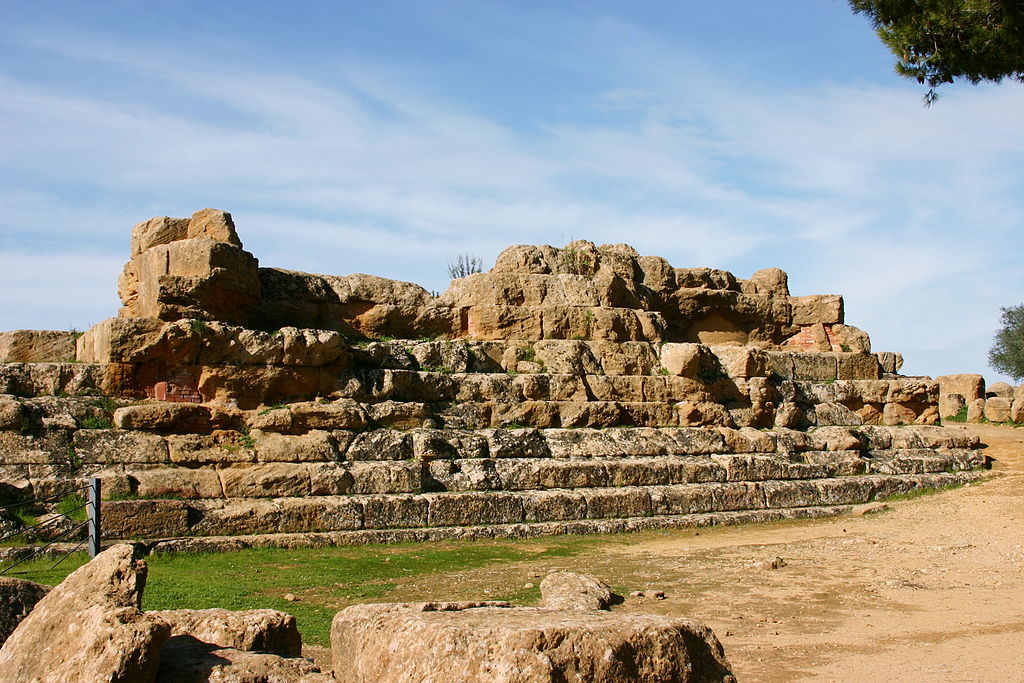
Earlier scholars proposed several explanations for the staircases. Some suggested that upper spaces stored sacred objects, while others believed workers used them for roof inspection and repairs. Another interpretation suggests that ascending certain staircases may have formed part of religious ceremonies.
Ancient accounts provide limited context. The Greek traveler Pausanias described an elevated walkway inside the Temple of Zeus at Olympia that allowed visitors to view its cult statue more closely. However, this does not establish how attic spaces in other temples were used.
Kawazu’s research brings together architectural features previously examined separately. Because most original wooden roofs have disappeared, surviving stone staircases offer valuable clues about temple interiors. The findings raise new questions about whether spaces beneath ancient Greek temple roofs served practical purposes alone or also played a role in religious life.
See all the latest news from Greece and the world at Greekreporter.com. Contact our newsroom to report an update or send your story, photos and videos. Follow GR on Google News and subscribe here to our daily email!

