



Archaeologists excavating the ancient city of Odirmon in southern Uzbekistan have uncovered a fire altar and decorated ossuary that offer new clues to religious life in a region long associated with Zoroastrian traditions. Uzbekistan’s Cultural Heritage Agency announced the finds, describing the altar as a ritual structure with clear traces of fire and the ossuary as a container decorated with animal and tree-like designs.
The altar was found in the northeastern part of the site. It stands about 70 centimeters (27.6 inches) high and 90 centimeters (35.4 inches) wide, with a floor made from fired bricks measuring 18 by 28 by 2.5 centimeters (7.1 by 11 by 1 inch). The surrounding area was covered with a layer of clay plaster about 2.5 to 3 centimeters (1 to 1.2 inches) thick.
Archaeologists found evidence that the plaster had been renewed several times. Officials said the repeated repairs indicate that the altar was used for a long period and regularly maintained. The agency has not formally identified the altar as Zoroastrian. Its announcement described it as connected with religious rites and noted preserved traces of fire.
Zoroastrian fire altar and ossuary put Uzbekistan site in focus
The ossuary could prove equally important. Its outer surface carries designs that specialists say resemble a deer and an archa, or juniper tree. Conservators are still working on the object, and officials expect the imagery to become clearer after restoration.
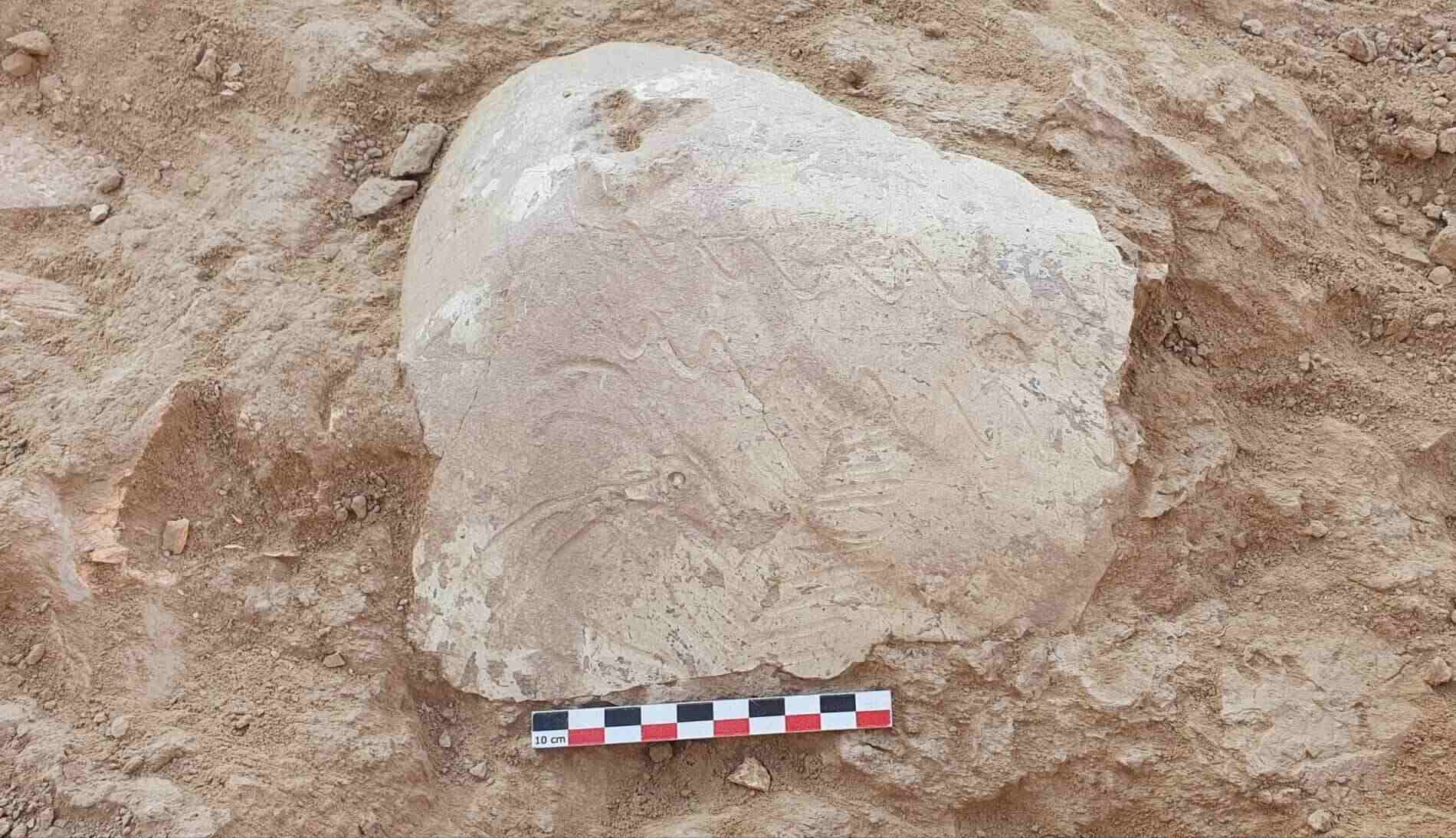
The Cultural Heritage Agency has preliminarily dated the Odirmon archaeological site to between the third century B.C. and the third century A.D. That date applies to the site as a whole. No separate scientific date for the altar or ossuary has been announced.
The 2026 work marks the first excavation campaign at Odirmon led by Sanjar Abduraximov of the Samarkand Archaeological Institute.
Earlier survey work by Abduraximov and researcher Abdusobir Raimqulov had described a large fortified settlement in Southern Sogdiana with defensive walls, four quarters, roads and a rectangular citadel. Researchers also collected more than 50 pieces of ancient pottery from the surface.
Odirmon adds new clues to Southern Sogdiana
The regional setting helps explain the interest in the discoveries. Ossuary burial is well documented in pre-Islamic Sogdiana and has been linked by scholars to local forms of Zoroastrian or Mazdean belief. Fire-centered ritual installations are also known elsewhere in the region, including at Yerkurgan in the Kashkadarya area.
Researchers have not shown that the altar and ossuary were part of the same ritual complex or were used at the same time. No inscription, deity, or specific religious affiliation has been reported from either find.
Continued excavation and restoration could provide a clearer date for the discoveries and help researchers understand the imagery on the ossuary, the function of the altar, and the religious practices of the people who once lived at Odirmon.
See all the latest news from Greece and the world at Greekreporter.com. Contact our newsroom to report an update or send your story, photos and videos. Follow GR on Google News and subscribe here to our daily email!

