



Ancient Mediterranean ports may have handled far more ships than their surviving docks and harbor walls suggest, according to underwater research that is changing how archaeologists measure ancient maritime trade.
Researchers found that ships often anchored outside formal harbors. Vessels used sheltered bays, nearby coastlines, and deeper offshore waters, greatly expanding the space available for maritime traffic. Similar underwater research has revealed submerged harbor structures at ancient Asini in Greece, offering further evidence of how maritime infrastructure evolved.
The findings, published in the journal “Antiquity,” suggest that measuring only stone-built harbor basins can underestimate a port’s true capacity.
Researchers rethink how ancient ports worked
The research is part of SHIPs, a multiyear underwater archaeology project running from 2023 to 2028. Ancient ports have been difficult to compare because researchers lacked a standard method for measuring their capacity across different environments. SHIPs instead examines ports as complete working systems from the perspective of ships approaching from the water.
Researchers developed a four-part framework that considers mooring practices, water depth, the surrounding landscape and submerged remains.
The team studied ropes, mooring rings and stone docking posts to understand how ships were secured. Researchers also examined 19th-century photographs of sailing vessels to see how ships could have been arranged around harbor structures.
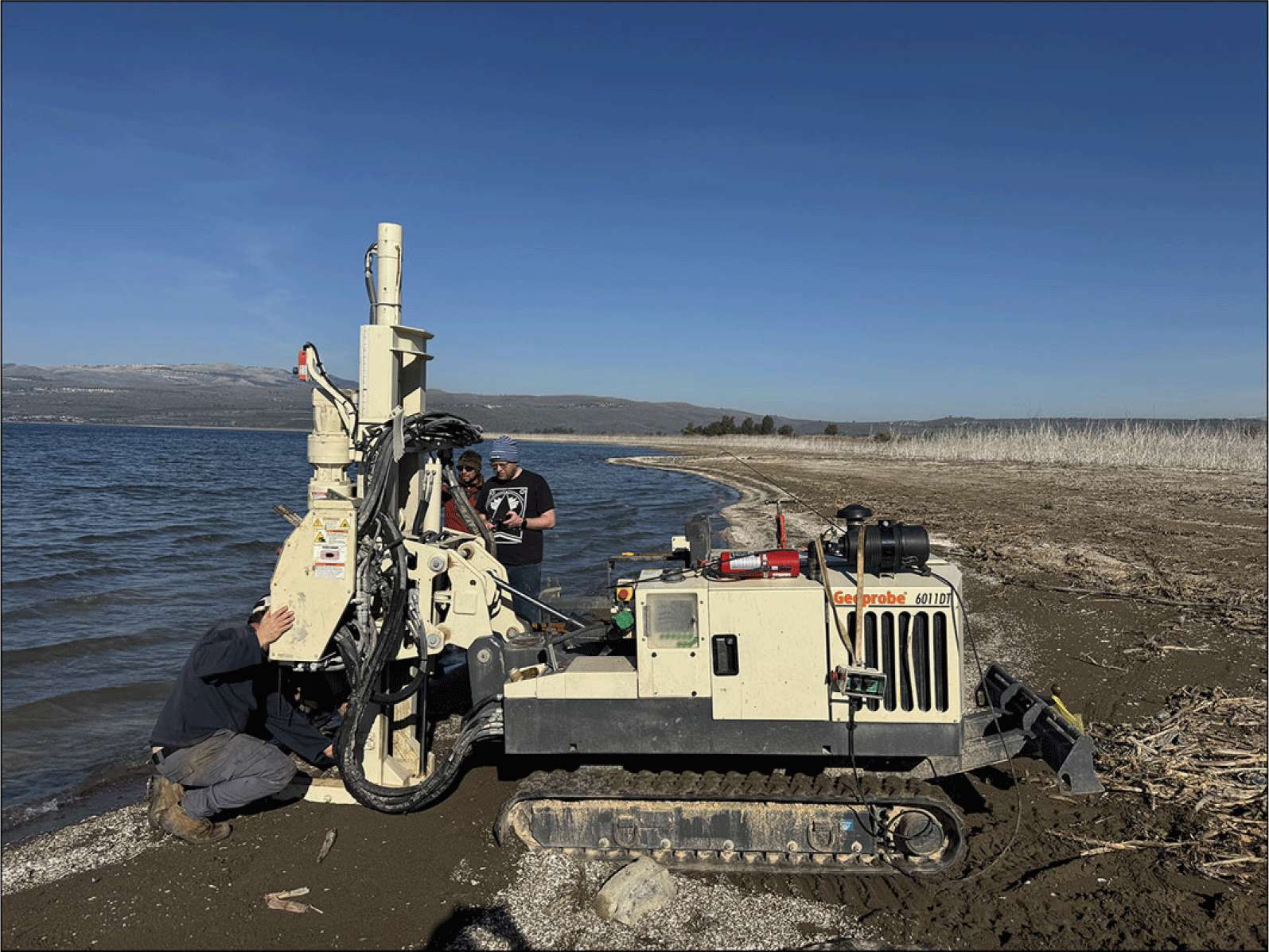
To determine which vessels could enter a port, researchers reconstructed ancient water depths. They drilled geological cores to locate layers marking former harbor floors and compared those depths with estimates of ancient merchant ships’ drafts. Other Mediterranean discoveries, including a shipwreck carrying more than 300 amphorae off Calabria, have provided physical evidence of the merchant traffic that moved through these ancient maritime networks.
Technology reveals hidden harbor landscapes

Researchers used lidar, or aerial laser scanning, to map coastlines and identify structures buried beneath the ground. They combined those surveys with historical photographs, archives and property maps.
Underwater, teams used side-scan sonar, sub-bottom profilers and metal detectors to search the seabed and sediments. Similar surveys around Karpathos recently documented ancient port infrastructure and several shipwrecks, highlighting the growing role of underwater mapping in reconstructing Mediterranean maritime history.
At Port-Vendres in France, investigators located the Port-Vendres 5 shipwreck, although little of the vessel remained intact. The broader surveys showed that Port-Vendres and Caesarea in Israel had harboring areas extending beyond their traditionally recognized boundaries. These additional anchorages could accommodate ships outside the formal ports.
At Terracina in Italy, researchers found that accumulating soil and sediment gradually reshaped anchoring areas. The evidence challenges reconstructions that portray ancient harbors as fixed landscapes.
Tiberias harbor remained active for centuries
The project also uncovered new evidence at Tiberias on the Sea of Galilee. Excavations of a jetty showed that ancient underwater concrete remained in use longer than previously believed. The harbor operated from the late first century B.C. through the second century A.D. and continued into the Byzantine era.
Researchers say better mapping of ancient ports can also help protect fragile underwater heritage, including shipwreck sites. Recent discoveries such as the ancient merchant ship carrying hundreds of amphorae off Andros show how much evidence of Mediterranean trade still survives beneath the sea.
By looking beyond surviving docks and harbor walls, the SHIPs project offers a fuller picture of how ships, cargo and people moved through ancient maritime networks.
See all the latest news from Greece and the world at Greekreporter.com. Contact our newsroom to report an update or send your story, photos and videos. Follow GR on Google News and subscribe here to our daily email!

