



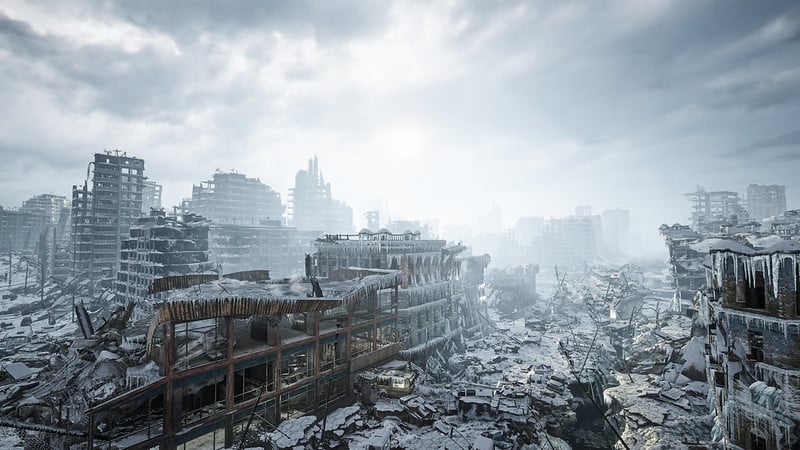
A nuclear war could trigger a nuclear winter with devastating consequences, beginning with the deaths of millions from the initial explosions and continuing with millions more succumbing to the subsequent collapse of food supplies.
The massive fireballs created by nuclear detonations would set large areas of land on fire, releasing vast amounts of smoke and dust into the atmosphere, which would block sunlight and shroud the Earth’s surface.
These conditions would lead to collapsing ecosystems, widespread radiation exposure, and the near-total failure of global agriculture, and in the freezing aftermath, famine, disease, and social breakdown could claim millions more lives, turning a brief exchange of weapons into a prolonged global catastrophe.
Researchers evaluated 38 island nations based on 13 characteristics that are thought to be predictive of success in a post-apocalyptic world. These factors included food production, energy self-sufficiency, and health security.
According to a recent study published in the journal Risk Analysis, Australia and New Zealand have been ranked as the best places to survive a nuclear winter or other cataclysmic events.
Other countries including Iceland, the Solomon Islands, and Vanuatu are the best-equipped island countries to survive and sustain their populations after a sudden and significant reduction of sunlight caused by catastrophic events such as nuclear war, a super volcano eruption, or an asteroid impact.
Australia topped the list due to food supply and infrastructure
While New Zealand was deemed a strong contender due to its nuclear-free status and close proximity to the ocean, which would help cushion it from extreme temperature changes, Australia topped the list due to its vast food supply buffer, energy surplus and robust infrastructure.
According to the study, “Australia’s food supply buffer is gigantic, with potential to feed many tens of millions of extra people. Good-quality infrastructure, vast energy surplus, the second highest health security in the world, and triple the defense spending of any other island in our analysis, all suggest that Australia has the potential to thrive during an ASRS.”
Did you know that Australian farmers grow 93% of our own food supply? 🍎🍞🌽🌾
Two thirds of the people fed from Aussie produce live outside of Australia. https://t.co/qtIyr64Ch0 #AgDayAU #GrowForGood@FarmTableAU @GeorgeFarmerAU @afsnsw
📸 by @teganb_93 pic.twitter.com/2Ixpz5nDFe— Allied Grain Systems (@AlliedGrain) November 21, 2018
New Zealand was highly rated for its abundant food supply and strong social cohesion, but the authors fear that a shutdown of global trade could lead to social collapse.
One of the authors, Prof Nick Wilson from the University of Otago, Wellington said, “We have this super-efficient food export economy that could feed New Zealanders multiple times over just from exports.” He further said that even if there is a 61% decrease in crops due to a long-lasting nuclear winter, New Zealand will still have enough food for its citizens.
Further Findings on Why Australia and New Zealand Are the Safest Countries to Survive a Nuclear Winter
The physical damage, radioactive pollution, and temperature fall are predicted to be most severe in the Northern Hemisphere, whereas the Southern Hemisphere is likely to suffer less from the consequences of ASRS (Abrupt Sun-Reducing Scenarios).
The two authors, Matt Boyd and Nick Wilson said in the study, “It is our hypothesis that island nations, particularly in the Southern Hemisphere, would typically suffer less from ASRS. Complex technological society on such islands might persist, and targeted preparation could increase the probability of a global recovery.”
See all the latest news from Greece and the world at Greekreporter.com. Contact our newsroom to report an update or send your story, photos and videos. Follow GR on Google News and subscribe here to our daily email!

