



Eighty years after its last excavation, the Roman Pool in Bahçeli, near the town of Bor in Niğde Province, Turkey, has been revealed to have a new identity. Once believed to be part of Tyana’s (Greek: Τύανα) water system, the monumental pool has now been identified as an ancient healing sanctuary dedicated to Asclepius, the Greek god of medicine.
Archaeologists say the discovery reshapes the understanding of Tyana’s ancient past. What was long considered a feat of Roman engineering now appears to have been a sacred site where people once sought both spiritual and physical healing.
Massive pool dates to the 2nd century AD
Excavations at the Bahçeli Roman Pool are part of the Heritage for the Future project of the Turkish Ministry of Culture and Tourism, directed by Prof. Dr. Osman Doğanay of Aksaray University. The massive pool dates to the 2nd century AD, built during the reigns of Emperors Hadrian and Trajan. For decades, researchers viewed it as a utilitarian structure supplying clean water to the city of Tyana.

That interpretation changed dramatically during the 2025 excavation season. Archaeologists unearthed votive offerings, cult fragments, and architectural remains that link the site to Asclepius. The finds suggest that the pool was part of a sacred complex where rituals involving water were performed for therapeutic and spiritual purposes.
A blend of Roman engineering and Greek faith
Built during the Roman Empire, the Bahçeli Pool combines Roman engineering with Greek religious tradition. Dedicated to Asclepius, the Greek god of healing, it reflects how Roman Cappadocia embraced Hellenic spiritual practices within its own architectural and urban landscape.
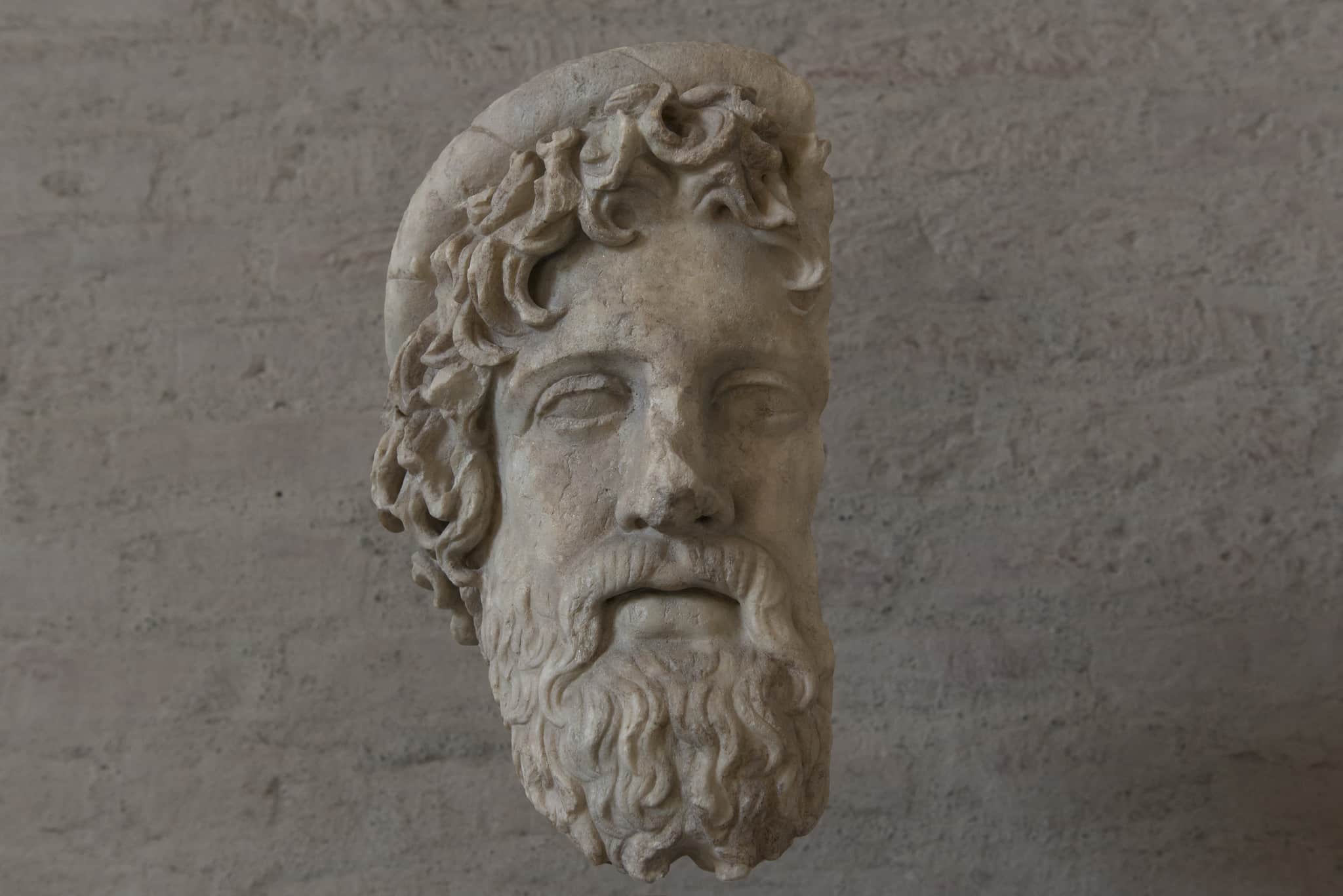
The cult of Asclepius, rooted in ancient Greek religion, was one of the most enduring spiritual traditions of the classical world. Sanctuaries dedicated to the god of healing were established across Greece — at Epidaurus, Kos, and Pergamon — where water, prayer, and ritual purification formed the core of therapy.
The Bahçeli discovery shows that this Greek healing tradition reached deep into Roman Anatolia, blending spiritual faith with the engineering precision of the empire.
Discoveries confirm healing sanctuary function
“The most significant discovery was a dedicatory altar depicting serpents — the main symbols of Asklepios,” said Prof. Doğanay. “Along with the fragments of statues carrying the same motif, these finds provide direct evidence that the pool functioned as a therapeutic sanctuary rather than just an engineering structure.”
Excavations on the eastern side of the pool revealed the foundations of a temple or cult building associated with Asclepius. Archaeologists believe healing rituals using sacred waters likely took place here, reinforcing the site’s role as a center of worship and therapy in the Roman period.
Dating the sanctuary to the late 2nd century AD
A newly discovered inscription confirmed that the complex dates to the reigns of Emperors Marcus Aurelius and Commodus, between AD 177 and 180. This places the pool’s construction or dedication within a short three-year window.
Located within the boundaries of ancient Tyana—one of Roman Cappadocia’s most prominent cities—the Bahçeli Roman Pool now stands as a rare example of water-based healing architecture in Anatolia.
Future plans for excavation and tourism
Excavations will continue in 2026, with plans to uncover the full layout of the sanctuary and prepare it for cultural tourism. Once complete, the Bahçeli Roman Pool is expected to emerge as one of Anatolia’s most significant archaeological landmarks—an exceptional site that bridges Greek spirituality, Roman design, and early medical practice.
See all the latest news from Greece and the world at Greekreporter.com. Contact our newsroom to report an update or send your story, photos and videos. Follow GR on Google News and subscribe here to our daily email!

