



Scientists studying Neanderthal DNA have uncovered new clues about how human faces form and evolve. By examining genetic differences between Neanderthals and modern humans, researchers found key DNA changes that influence jaw development, offering insights into why each human’s face is unique.
A team from the MRC Human Genetics Unit at the University of Edinburgh focused on a region of Neanderthal DNA that appears to activate a jaw-shaping gene more strongly than its modern human counterpart. The gene, known as SOX9, plays a central role in facial development. The findings were published in the journal Development.
Lead researcher Hannah Long explained that although the Neanderthal genome is 99.7 percent identical to that of present-day humans, small genetic differences are likely responsible for physical distinctions, including facial structure.
Both genomes include about 3 billion DNA letters, most of which are involved in coding proteins or regulating how genes function. Finding the exact regions that influence appearance remains challenging.
Genetic clues behind the shape of the human face
The team narrowed their focus to a specific section of the genome linked to Pierre Robin sequence, a condition where the lower jaw develops smaller than normal. According to Long, large deletions or rearrangements in this region are known to interfere with jaw formation, so the researchers suspected that smaller changes might subtly affect facial shape.
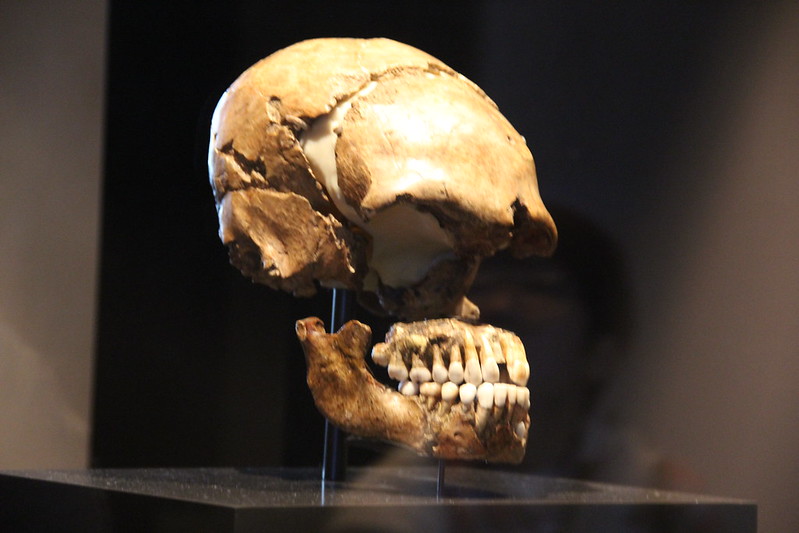
By comparing this region across both genomes, they identified three single-letter differences within a 3,000-letter stretch. While the region contains no actual genes, it acts as a switch, controlling the timing and activity of SOX9.
To test its function, scientists inserted both the Neanderthal and human versions of this DNA sequence into zebrafish embryos. The fish were engineered to glow with fluorescent colors depending on which version of the sequence was active.
As the embryos developed, both sequences activated in the cells forming the lower jaw, but the Neanderthal version triggered stronger activity.
How Neanderthal DNA helped decode human faces
Long said the team was encouraged when they observed the Neanderthal-specific changes affecting gene activity in cells near the jaw. This raised new questions about how such differences could influence facial development.
In a follow-up experiment, the team introduced extra SOX9 to the embryos. The jaw-forming cells then spread over a larger area, suggesting that higher SOX9 activity may lead to a more pronounced lower jaw, as seen in Neanderthals.
Long noted that her lab is continuing to investigate additional genetic variations using lab-grown facial tissue models. This research may improve the understanding of facial conditions and contribute to future diagnostic methods.
See all the latest news from Greece and the world at Greekreporter.com. Contact our newsroom to report an update or send your story, photos and videos. Follow GR on Google News and subscribe here to our daily email!

