



A rare celestial event known as a black moon will soon fill up the skies, and skywatchers will have the opportunity to say goodbye to 2024 by witnessing this rare astronomical phenomenon.
Though it is not a term officially recognized by astronomers, over the years the occurrence of the black moon has gained popularity among amateur astronomers and skywatchers alike.
What is the black moon?
To put it simply, a black moon occurs when a second new moon appears in a single calendar month. The lunar cycle averages 29.5 days and when a month can have two new moons instead of one, it leads to the rare phenomenon of the black moon. New moons happen when the sun and the moon share the same celestial longitude. The moon during this phase is not visible from Earth because its illuminated side is facing away from us.
This year’s black moon won’t be visible from Earth. Yet the event will have a significant impact on the night sky. As the moon won’t be visible, a vast, dark veil will cover the skies allowing a better view of the cosmos—the stars, planets and even distant galaxies.
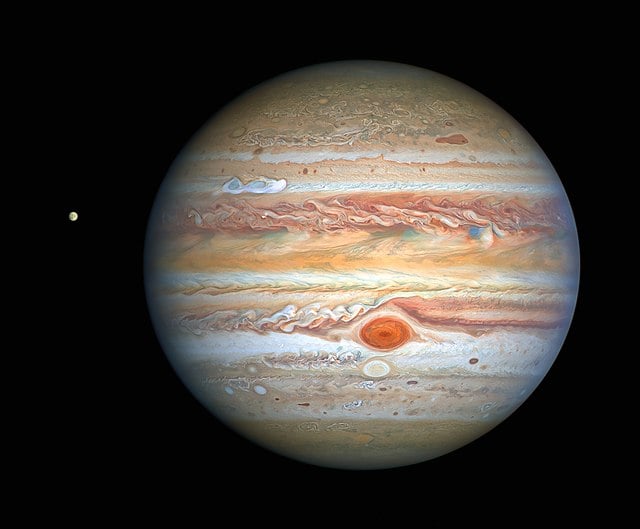
The darkness in the sky will enhance the view of planets like Jupiter, which will be observable all night, and Venus, which will shine bright in the evening sky.
In some cultures, the black moon has a deeper significance than just being a celestial phenomenon. Astrologically speaking, it’s an auspicious time that one can reflect on goals or start new projects. Dark skies are important for renewal: the moment to stop, reassess, and recharge for the next cycle of the moon.
When and where you can watch this year’s black moon
According to the US Naval Observatory, this rare event will take place on December 30-31. For those in America, the black moon will appear on December 30 at 5:27pm ET while for those in Europe, Africa and Asia, it will take place on December 31.
The last Black Moon was in April 2022 and the next one will be in August 2027.
Blue moon, the opposite of the black moon
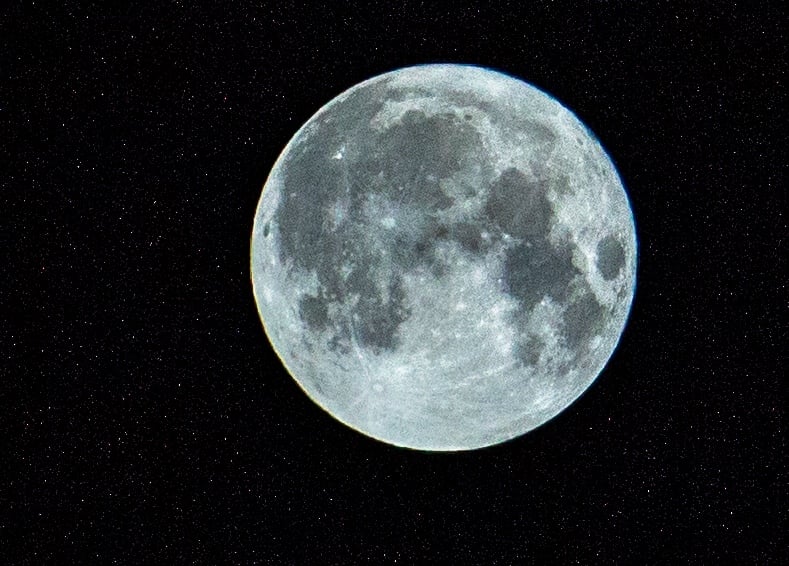
A blue moon occurs when two full moons appear in one month. The last blue moon occurred in August and was a notable event. This is because August 2023 also had a blue moon, and two consecutive Augusts with blue moons is a rarity. It gets even more unusual considering that the next blue moon will be in August of 2029.
Despite the fact that both August 2023 and August 2024 had blue moons, there is nothing scientifically significant about this occurrence. What is most remarkable is the explanation of the name “blue moon.”
In the 16th century, the phrase “when the moon is blue” denoted an impossibility. Later, in the 19th century, after the eruption of the volcano Krakatoa, the moon did actually appear blue. According to the Oxford English Dictionary, in the 20th century the saying became the phrase “once in a blue moon,” commonly used to describe something that does not happen very often.
See all the latest news from Greece and the world at Greekreporter.com. Contact our newsroom to report an update or send your story, photos and videos. Follow GR on Google News and subscribe here to our daily email!

