



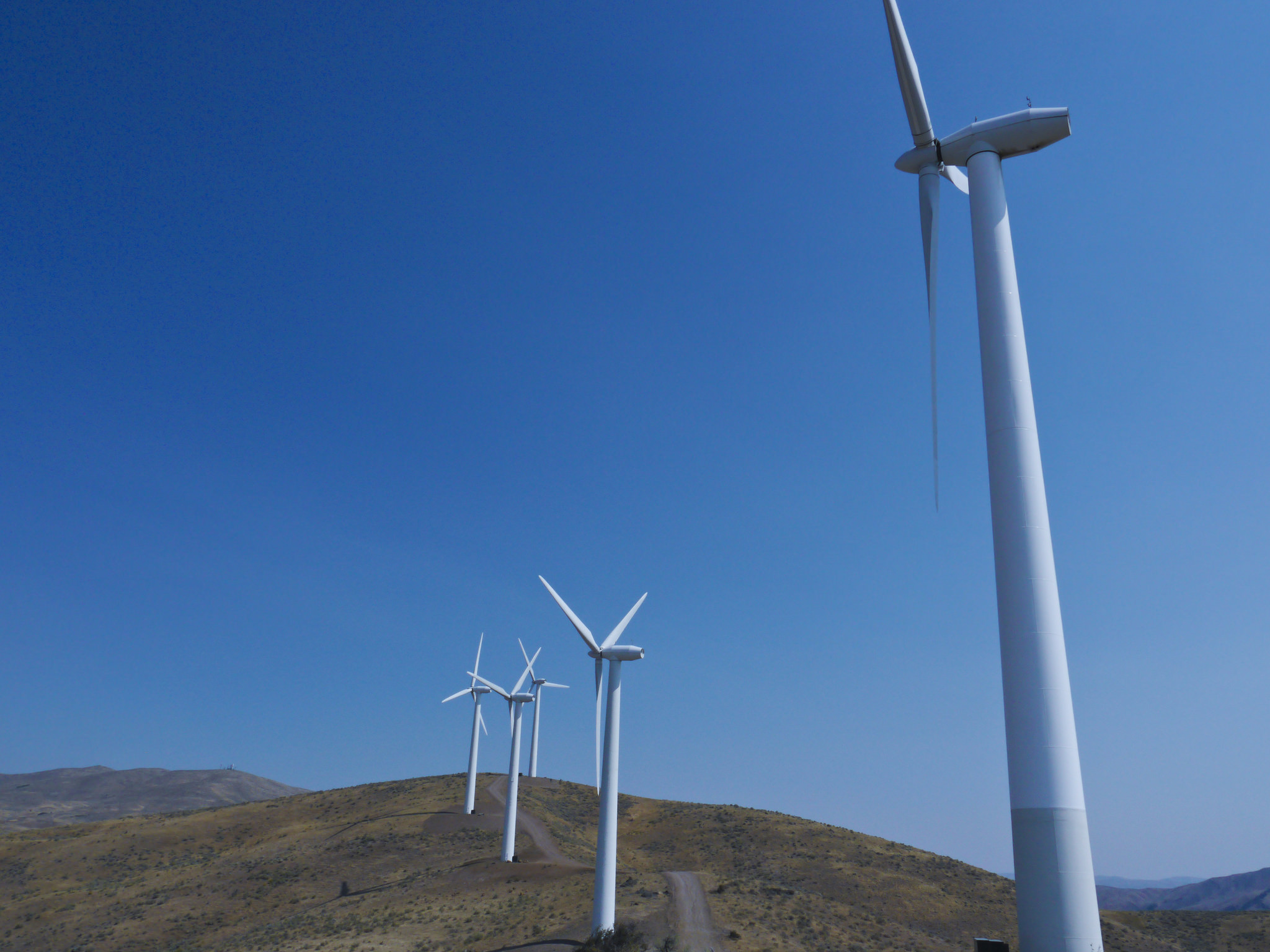
In recent years, there have been dozens of installations of large-scale Renewable Energy Sources (RES), namely industrial wind farms and photovoltaic farms, throughout Greece, but what might the implications of these on tourism in isolated regions be?
* By Dr. Konstantinos Marinakos
Wind farms and other RES installations in Greece
Based on studies and scientific documentation, such undertakings and, generally speaking, projects pertaining to electricity transmission, road networks, and industrial parks, are bound to inflict serious and irreversible detrimental effects. The natural environment and its biodiversity and natural beauty are most heavily impacted. Yet, these are also especially fundamental in achieving a balanced ecotourism system.
According to the European Environment Agency, “the preservation of the biodiversity of ecosystems is of vital importance for human well-being because it provides services that support our economies and societies.”
Investments in the field of large-scale Renewable Energy Sources, such as industrial wind and solar farms, often require the construction of new roads in natural ecosystems, adding to the problem of land use modification and land fragmentation.
Productive activity in an area presupposes the existence of integrated planning at a higher level, as par excellence of spatial planning, something which, to this day, does not exist in most cases.
Greece repeatedly fails to protect vulnerable key tourism areas
Since many of the areas where industrial wind farms are being planned are adjacent to those included in the European Natura 2000 Network, the State has a legal obligation—based on national and community legislation—to take protective measures (directive 92/43/EC). This is an obligation which the Greek state systematically fails to fulfill.
A similar picture prevails in terms of the areas of integrated aquaculture development (IPDA) throughout the country. Greece’s national plans include the expansion of fish farms from 9,800 acres to approximately 240,000 acres. Indeed, this would be a 24-fold expansion. The eight largest expansion areas will each gain two to three times more space than currently available for farm fishing.
Such technical interventions are sure to significantly negate the most vital economic development goal—soft tourism—of key geographical units. Soft tourism (also called slow tourism) is a form of travel that provides for financial sustainability in the form of employment opportunities, among other things. It is essentially the opposite of mass tourism in that it refers to the mitigation of the impacts of travel on a geographical area and its local community.
On the other hand, mass tourism is known to potentially result in significant harm to natural and cultural environments. Hence, it also does not appropriately take sustainable economics of particular areas into account. The aforementioned RES installations, for instance, would especially negatively impact isolated touristic regions, which are also often the most vulnerable areas.
In conclusion, it remains to be seen what the specific implications of industrial wind farms and photovoltaic farms might be on tourism—as well as local, economic, and demographic environments—in isolated destinations throughout Greece.
*Dr. Konstantinos Marinakos is Associate Professor of Tourism Management at the University of West Attica, President of the Peloponnese Tourism Organization, and Vice-President of the Panhellenic Hotel Association.
See all the latest news from Greece and the world at Greekreporter.com. Contact our newsroom to report an update or send your story, photos and videos. Follow GR on Google News and subscribe here to our daily email!

