



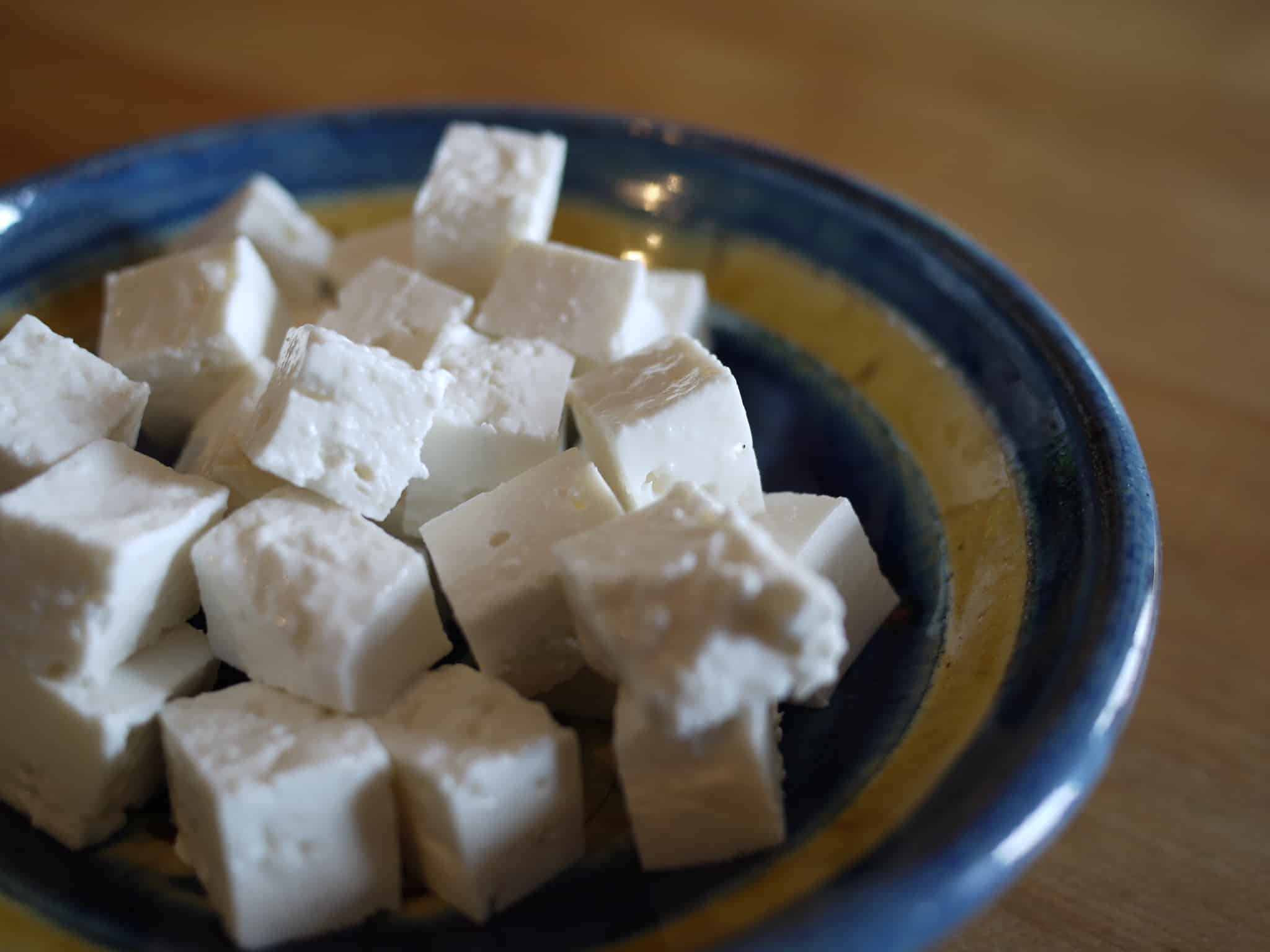
As the cost of shopping at the supermarket remains a gripe for Greeks, the country’s famed feta cheese is driving a political debate over what or who is responsible for the high prices.
Feta, the high prices of Greek food, and the political debate
Prime Minister Kyriakos Mitsotakis has stated that multinationals—and by extension corporate greed—are to be blamed for keeping prices high, despite being fined by his government for gouging, along with some domestic companies. However, the cost of going to the supermarket still looms as a large complaint for Greeks.
Olive oil prices have risen astronomically—15 euros for one liter of a known brand name— but what really sparked an outcry was the cost of feta, another of the Mediterranean country’s symbolic products produced on nearby farms.
In the lead-up to the June 6th to June 9th European Parliament elections, Mitsotakis was under fire from his rival, SYRIZA opposition leader Stefanos Kasselakis, a Greek-American businessman who believed the Premier was out of touch with the prices—including feta—and their effect on citizens.
Mitsotakis claimed in Parliament that his government could not afford to cut a Value Added Tax (VAT) on food that’s as high as 24 percent for some products, with critics arguing it’s regressive and affects the lives of the poor and working class the most.
Kasselakis highlighted the cost—6.28 euros for 400 grams for a packaged brand name—as indicative of what he said was the government’s failure to stop profiteering.
Government spokesman Pavlos Marinakis said, “The last thing citizens need is political deception.” Marinakis also said the Prime Minister was comparing 500-gram packages across countries in the European Union, not half packages.
He pointed out that if the price is calculated per kilo (2.2 pounds) from the data presented by Mitsotakis in Parliament, then the goods Kasselakis had highlighted were even cheaper than what the Prime Minister had said.
“High living costs is the biggest problem for every household. We are trying to reduce its consequences with serious steps. Increasing incomes, a lot of strict fines, and of course targeted interventions,” Marinakis also said, as reported by The National Herald.
In an interview with Alpha TV, Mitsotakis increased his criticisms of the economic proposals by Kasselakis and claimed the leftist leader’s ideas would cost 45 billion euros over four years.
“I must warn citizens that if these were ever implemented, the country would revert to a state of supervision and bankruptcy because, quite simply, that money doesn’t exist,” he said despite the economy now growing again.
“Citizens have memory, and the last thing they want is an apprentice magician who will make promises—as the same party has done in the past—without substance,” he said, drawing parallels between Kasselakis and his predecessor, Alexis Tsipras.
It isn’t clear why the government didn’t impose harsher fines or conditions on companies keeping prices high, but a study by the National Bank of Greece pointed to “greedflation” as the major problem, as well as an increase in salaries.
See all the latest news from Greece and the world at Greekreporter.com. Contact our newsroom to report an update or send your story, photos and videos. Follow GR on Google News and subscribe here to our daily email!

